I choose Cavalry as a tool for me to develop in the beginning. It’s an application for motion graphic and data visualization. The most important characteristic of Cavalry is the parametric control system.
After that, in the first part — iteration 1, I selected a motion graphic design to replicate. During the process, I learned lots of tools and functions, one of them evoked my interest — the image sampler.
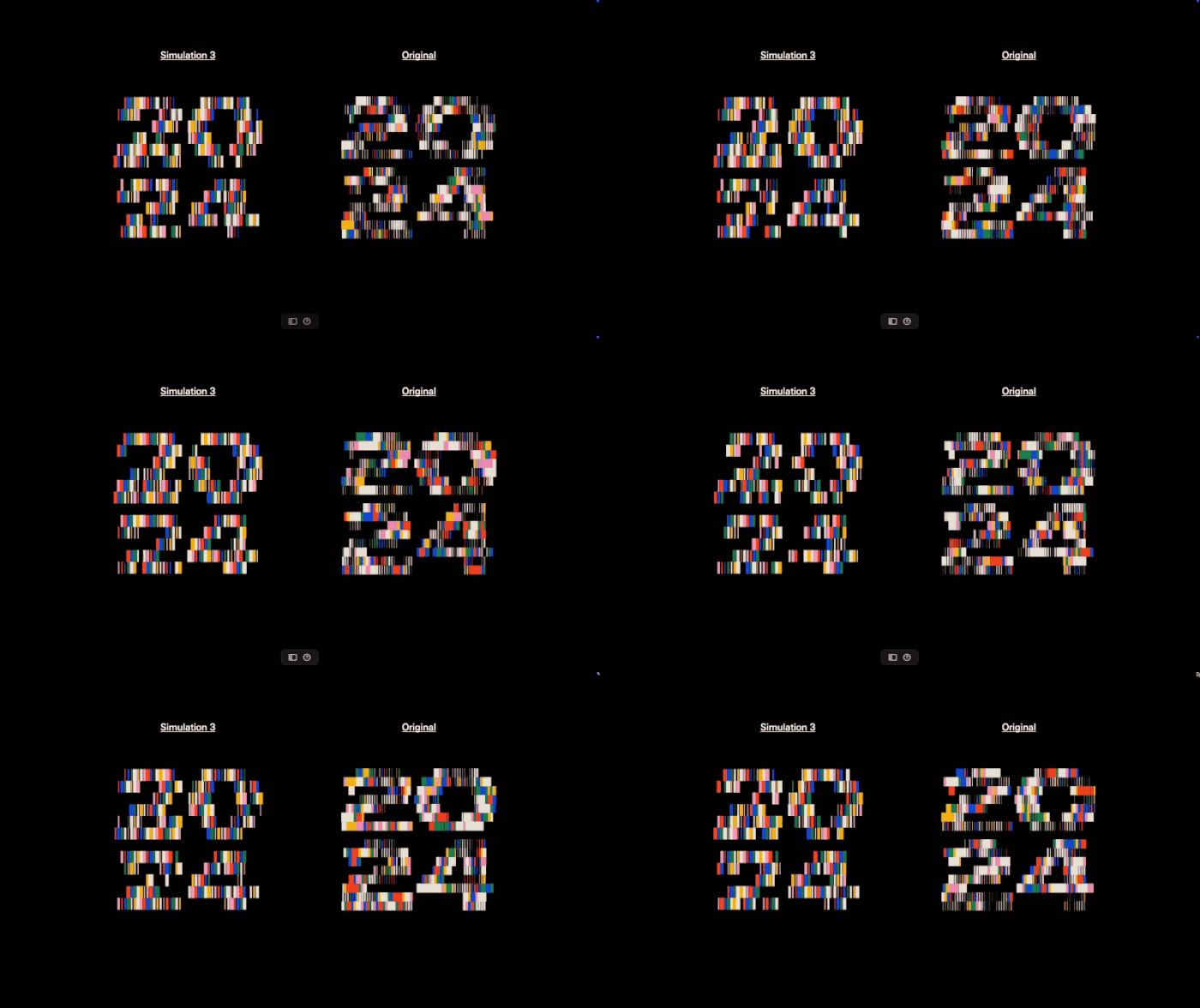
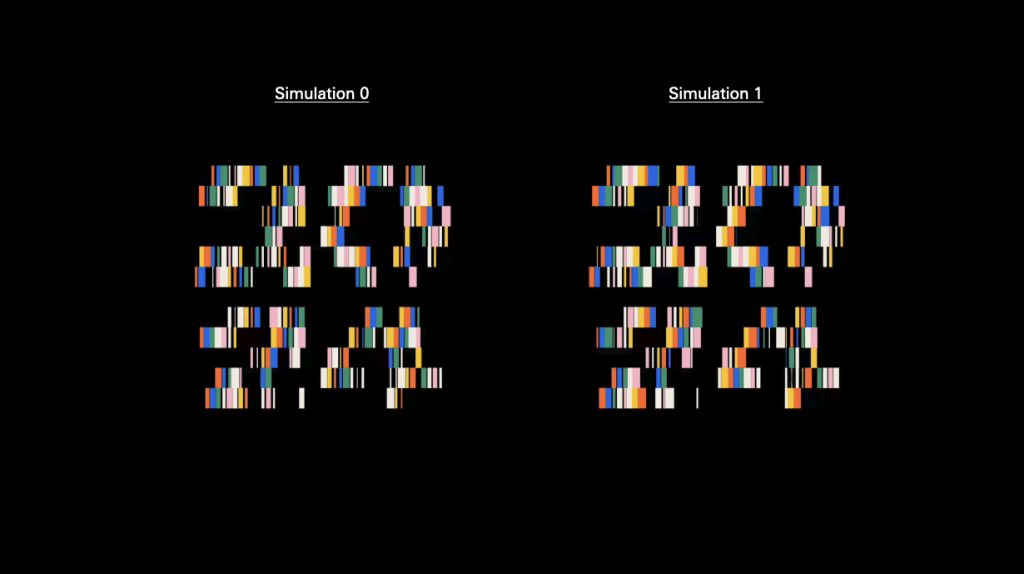
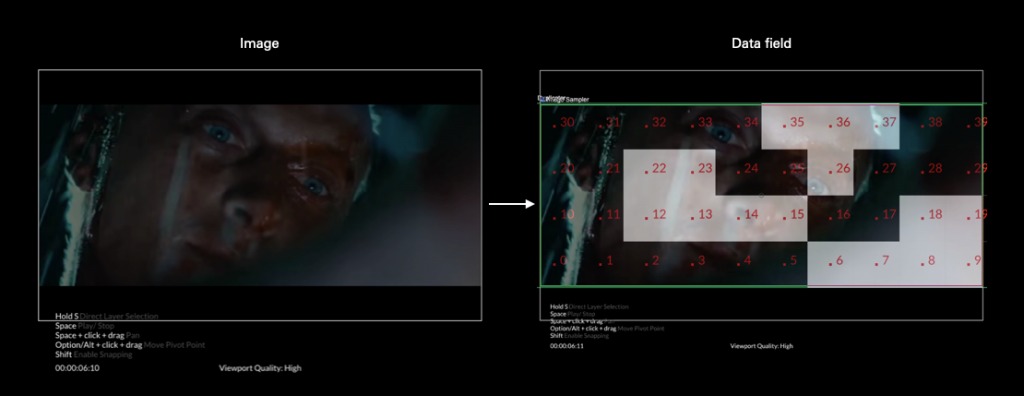
Image sampler is not merely an image-based visual effect. Instead, it functions as a converter that transforms images into numerical values readable by other parameters. The core output of the Image Sampler is not an image, but a data field. This data field is a numerical distribution composed of pixels. For example, brightness / RGB / grayscale.
In the example below, the data is translated into shapes (squares), where areas with higher brightness appear, and areas with lower brightness do not.
Treating the Data Field as the Starting Plane
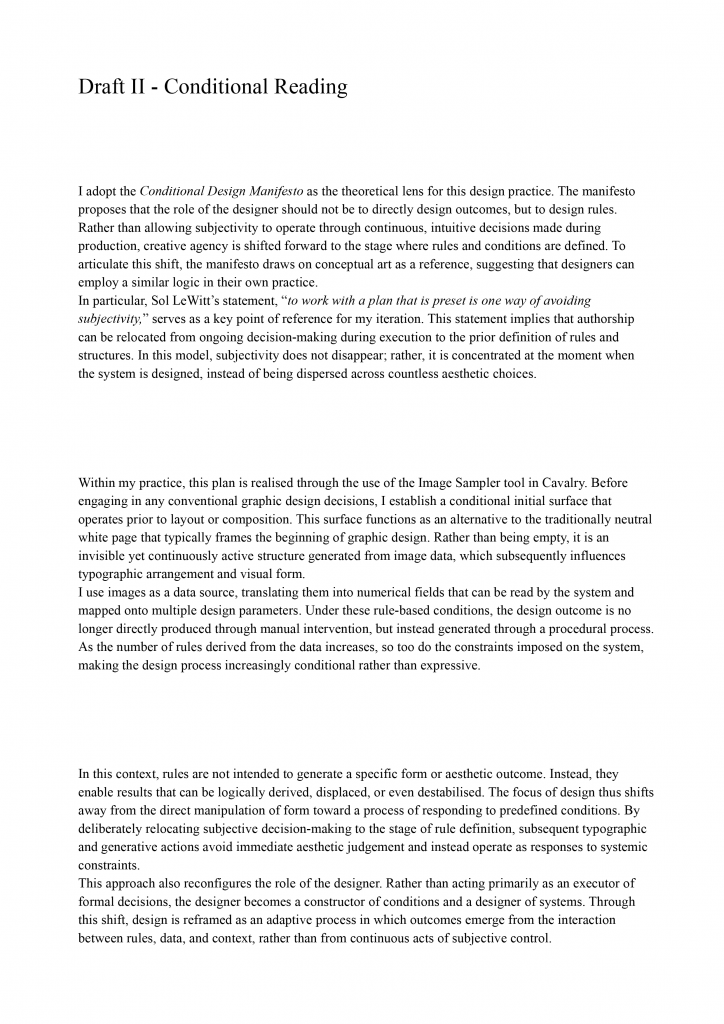
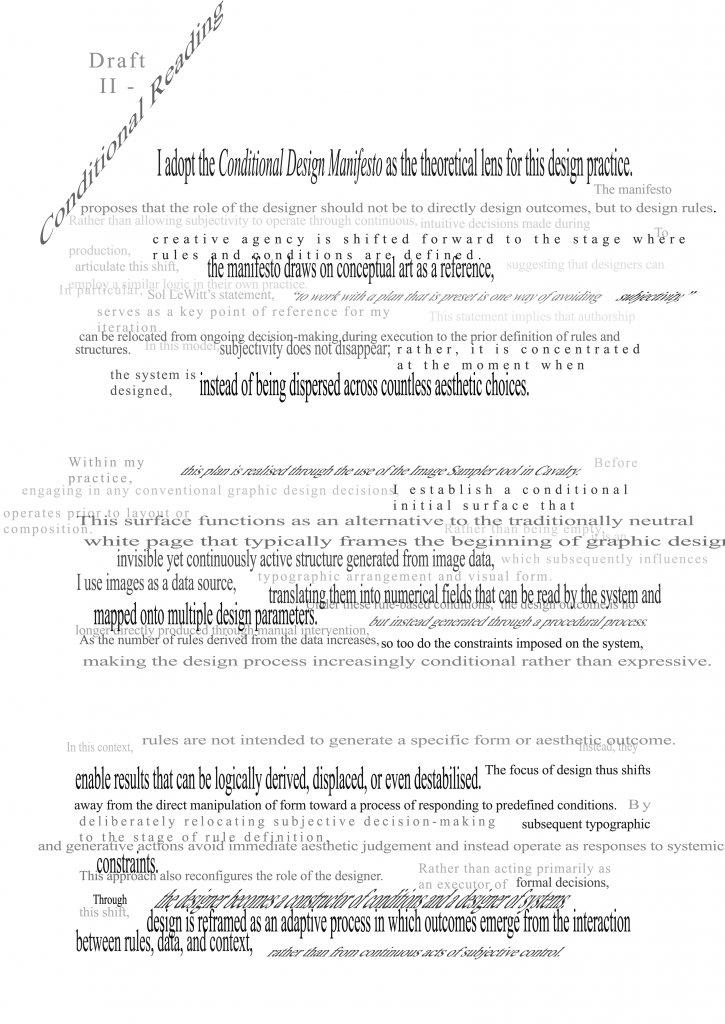
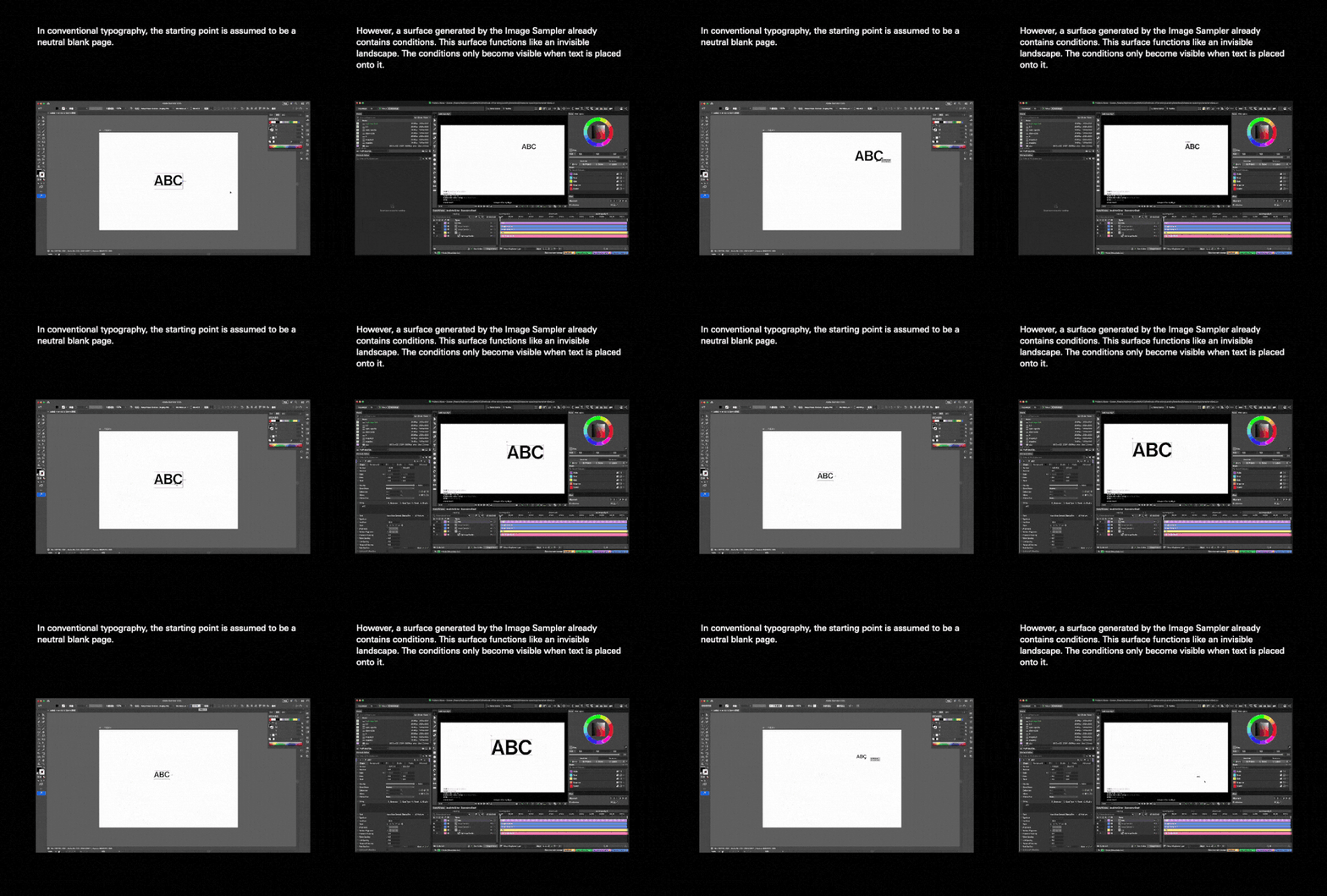
In conventional typography, the starting point is assumed to be a neutral blank page. However, a surface generated by the Image Sampler already contains conditions. This surface functions like an invisible landscape. The conditions only become visible when text is placed onto it.
This process led me to the following critical question:
1. Is the so-called “neutral blank page” actually a set of naturalized and hidden conditions?
2. When these conditions become visible and operable, does the act of design itself change?
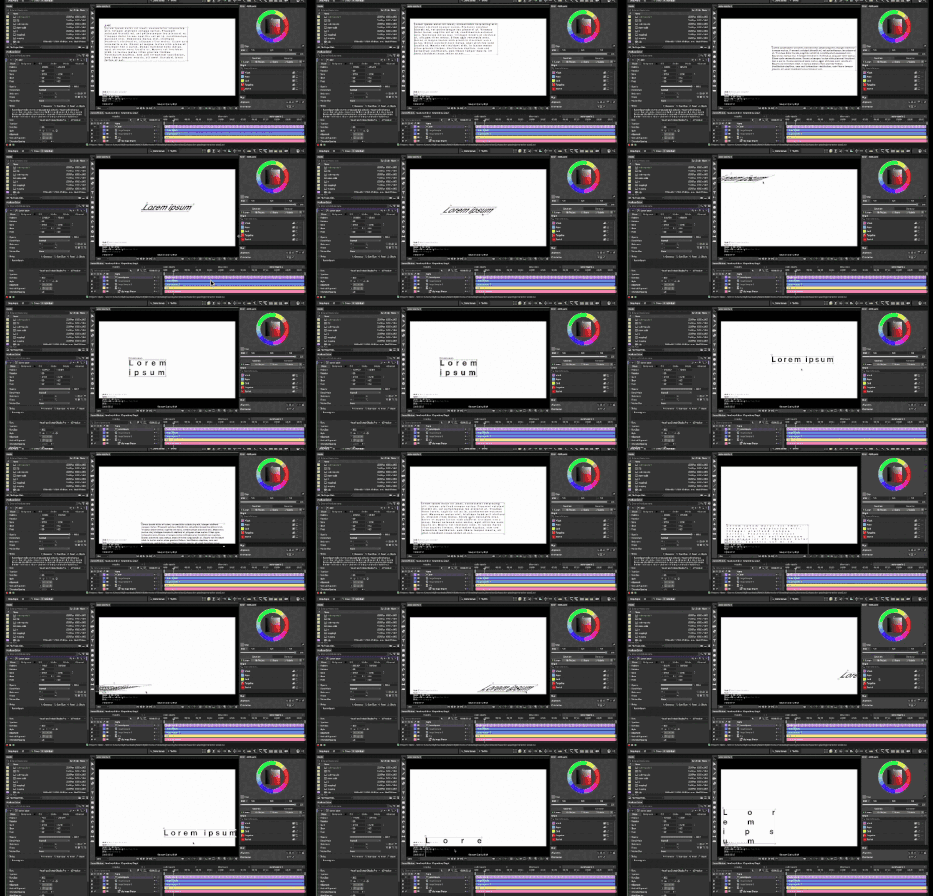
How to hack?
I reposition Cavalry from a tool for generating visual or motion effects into a system for setting and testing typographic conditions. In this context, the image no longer functions as content, but as a source of conditions.
The hack will be understood in three layers:
1.Expected output
Cavalry default: motion / effect / generative visuals
Hack: use it to create and test “initial conditions for typesetting” and “layout behavior”
2.Tool role
Default: Image → Visual Elements
Hack: Image → Data field → Typesetting conditions (condition translator)
3.Design process
Default: design the form first and then add the effect
Hack: Set conditions and relationships first, and the form is generated and read as a consequence.
The Final Outcome
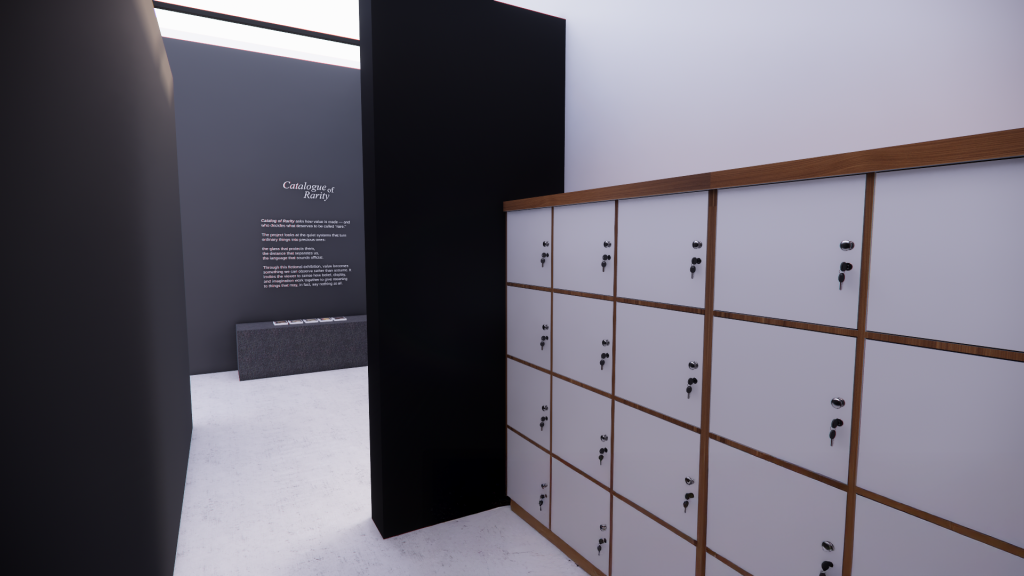
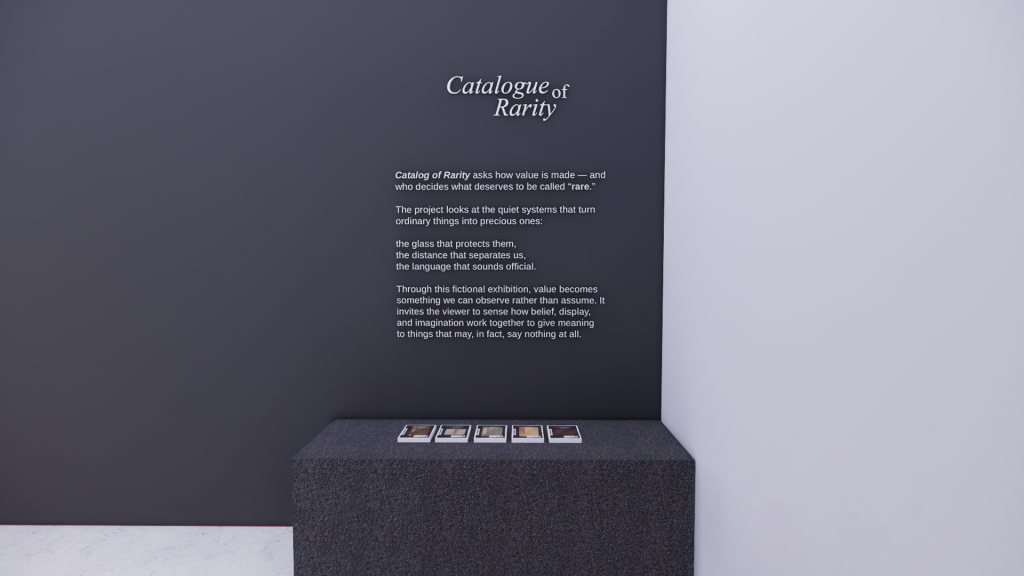
This project is a fictional exhibition, made for the Method of Cataloging unit.
This exhibition explores how value is created —not only what makes something valuable, but how design, distance, and presentation can build the idea of value.
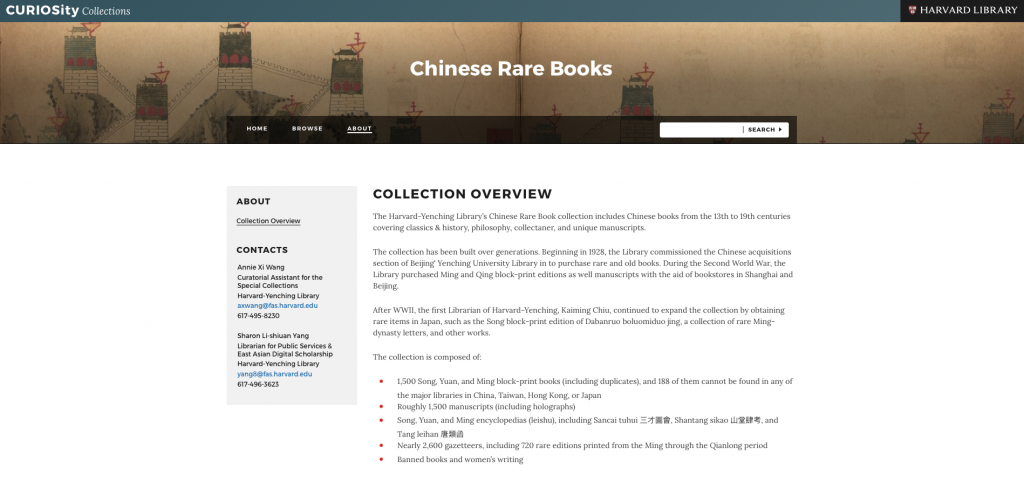
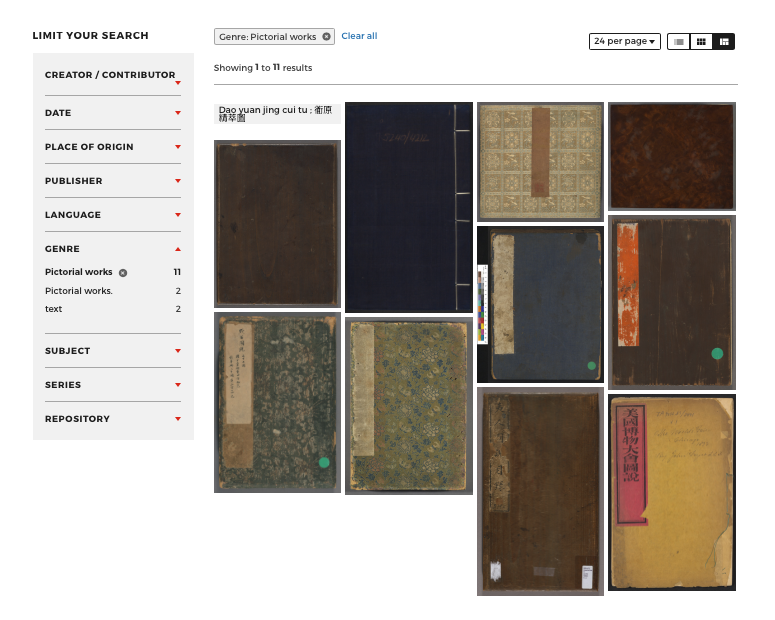
For this fictional exhibition, I chose ten books from the Chinese Rare Books collection. I picked this collection because the word “Rare” is interesting to me, it already suggests something special and valuable, and that fits my main question:
What makes something rare, and who decides that?
The space I designed is very clean and simple. Each book stands alone on a plinth, covered by a glass case and surrounded by a barrier. Visitors can only look at the books — they can’t touch, smell, or open them.
This distance is important. It shows how value and authority are often created through separation.
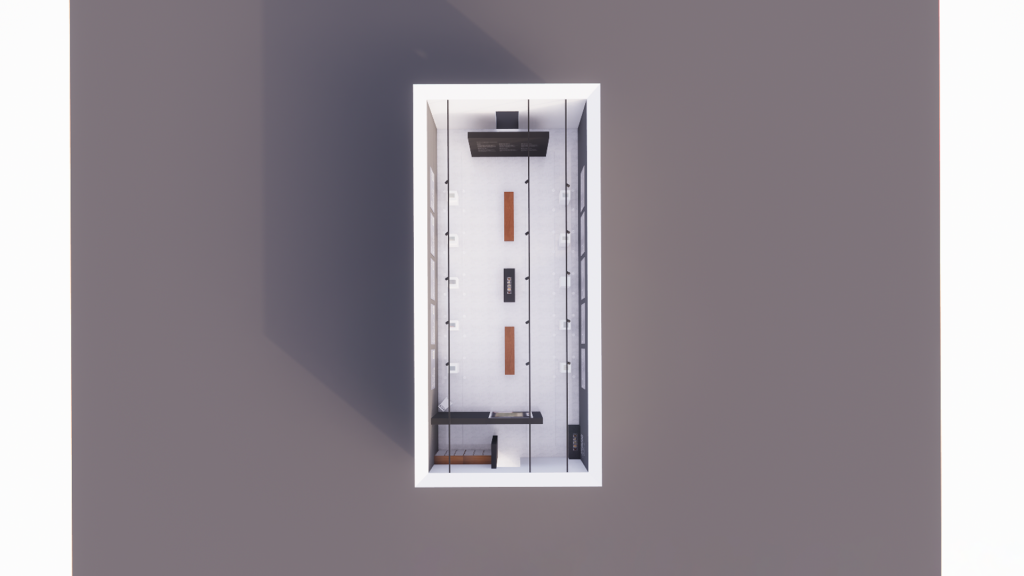
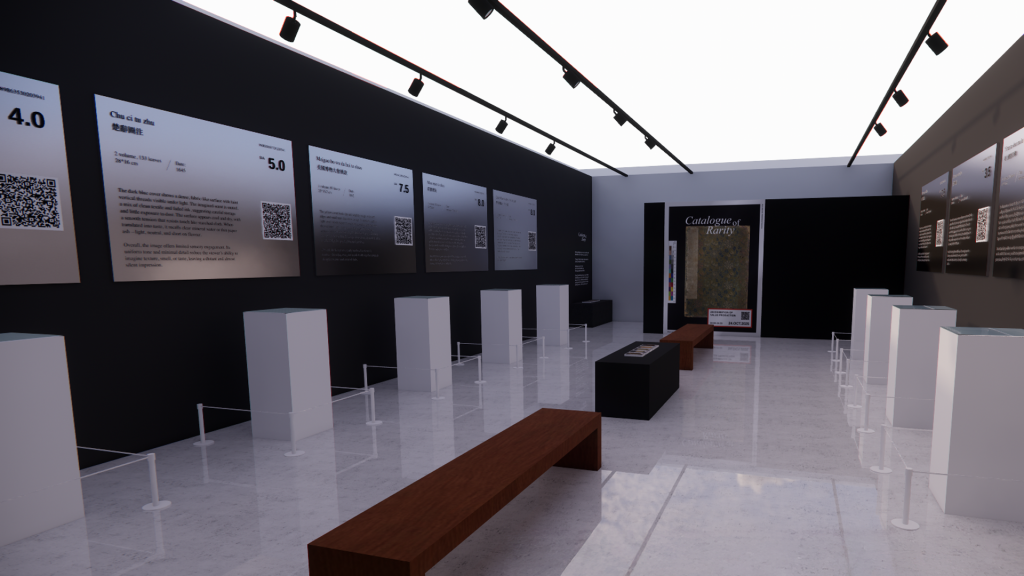
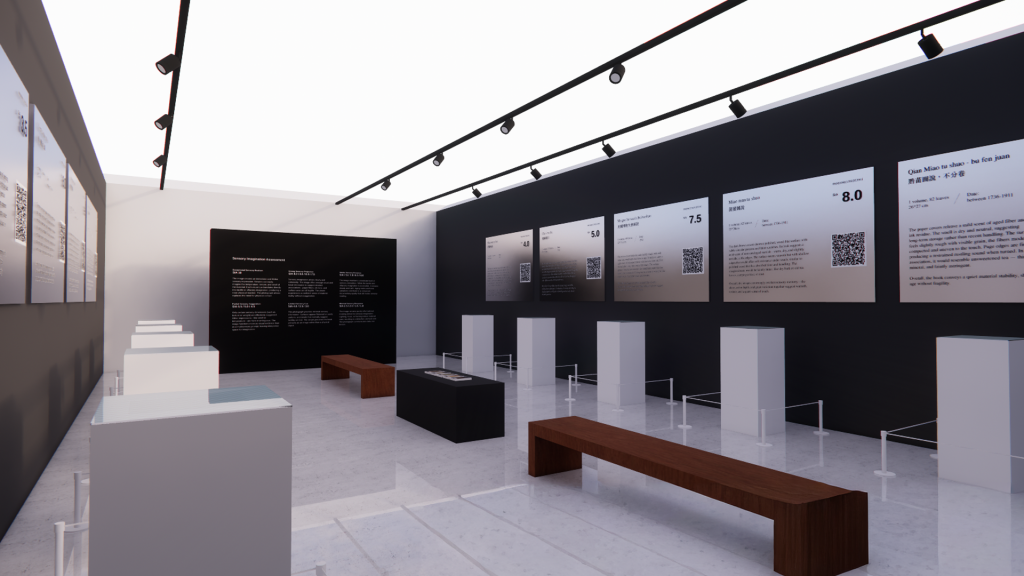
Next to each book, I designed a fictional grading system
based on real systems used for rare books or trading cards.
The grades rate three imagined senses — touch, smell, and taste. But since people cannot experience these senses, the grading becomes meaningless and funny, yet it still looks serious and professional.
This part shows that so-called “objective” systems can also be based on imagination or belief.
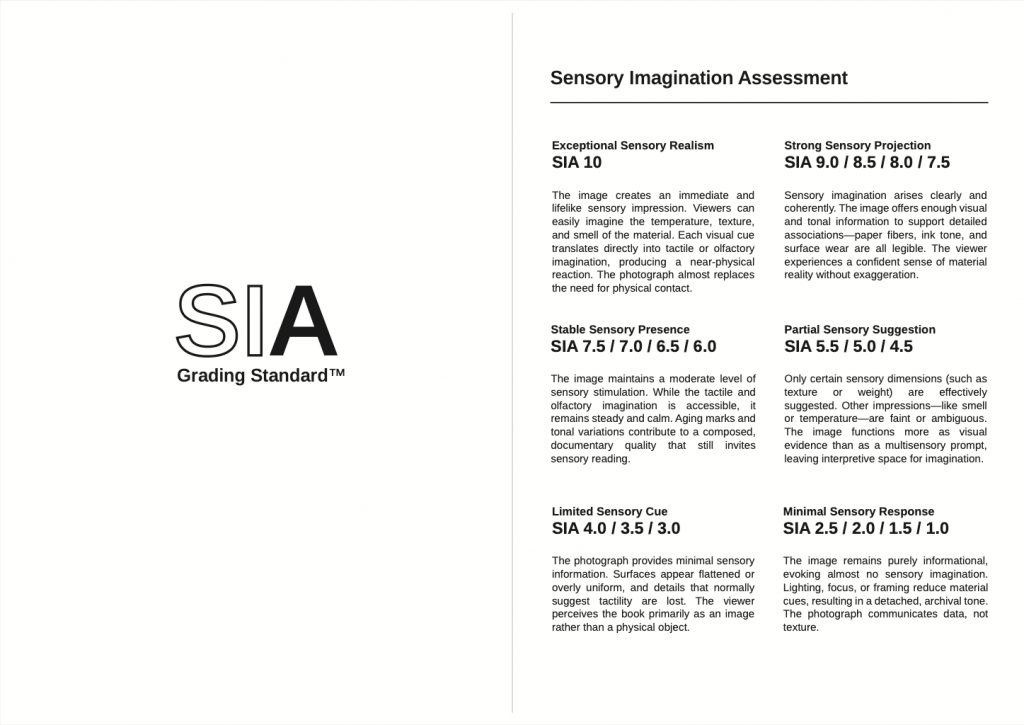
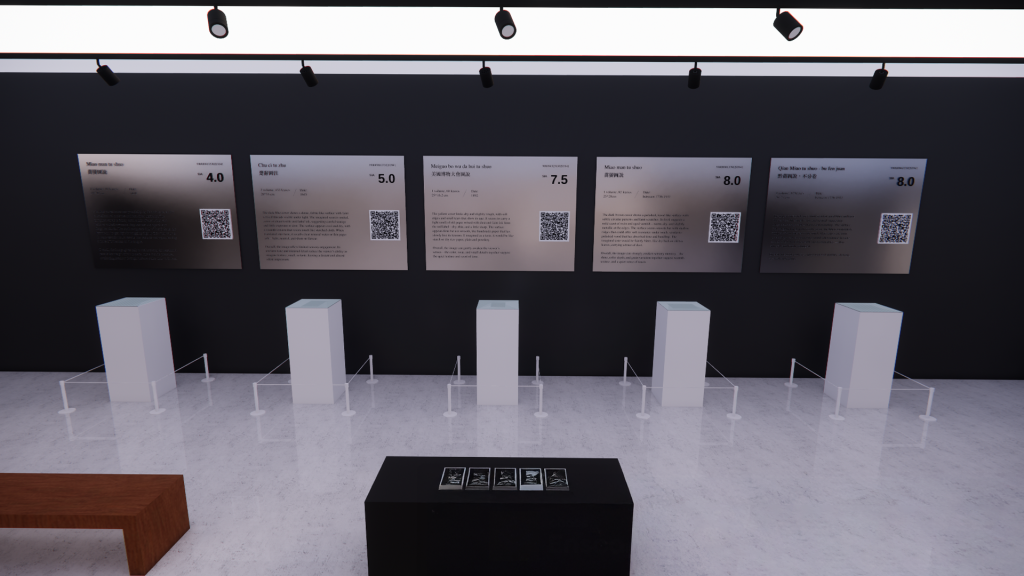
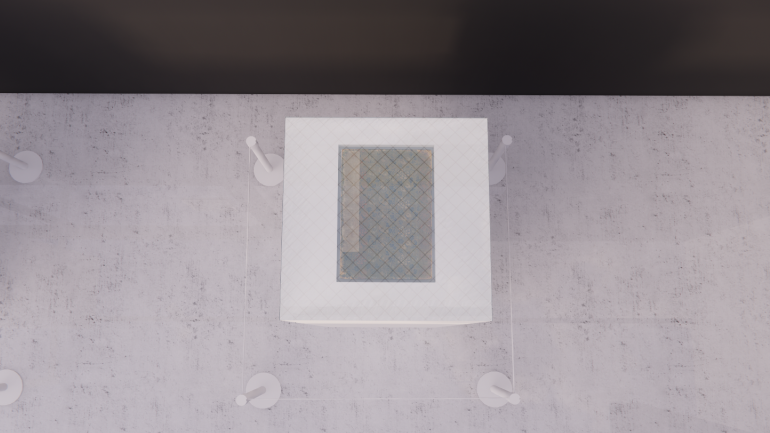
In this exhibition, the content of the books is missing. Viewers don’t know what the books say, but they still feel that the books are “important.”
This shows that value often comes from the context — from how things are displayed, described, or protected — not from the object’s actual content.
Each book also has a QR code linking to its real record in the Harvard Library. This mix of real and fictional elements helps question what “authentic” really means.
Online 3D exhibition space
Intro video
Exhibition Guidebook
The final outcome
In this project, I realized that the choice of medium plays a crucial role. I considered several possibilities — such as creating a 3D interior model, a physical supermarket map, or a collage combining images and diagrams.
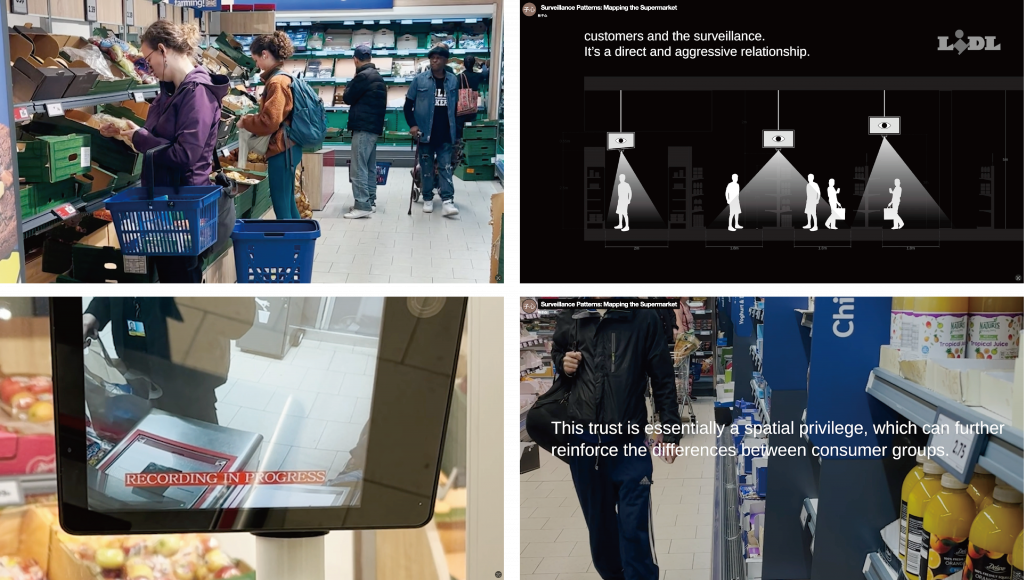
However, these forms can only convey rational and logical ideas; they struggle to express the emotional experience of being watched by CCTVs. I believe both sides are equally important and should not be separated. For this reason, I chose video as my main medium. It allows me to combine image, text, and movement, and most importantly, to use sound — giving the project a richer sense of atmosphere and texture.
During the editing process, I tried to use sound as the foundation, aligning it with images and video so that all the elements work together as one. I also added scenes of food and products as transition shots, giving the film another layer of perspective.
Further developed investigation
After the tutorial discussion, I decided to focus on supermarkets as my primary research direction.
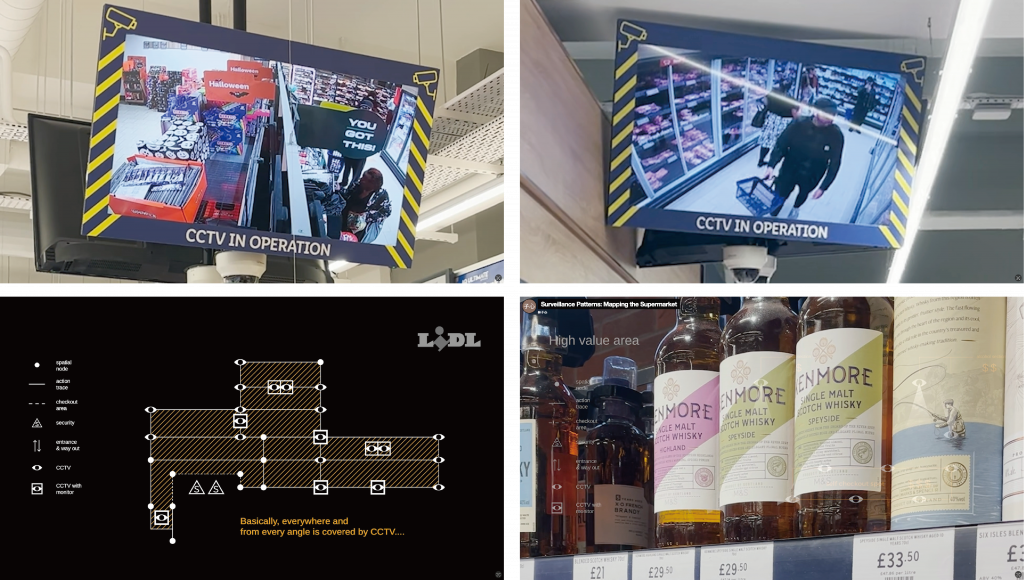
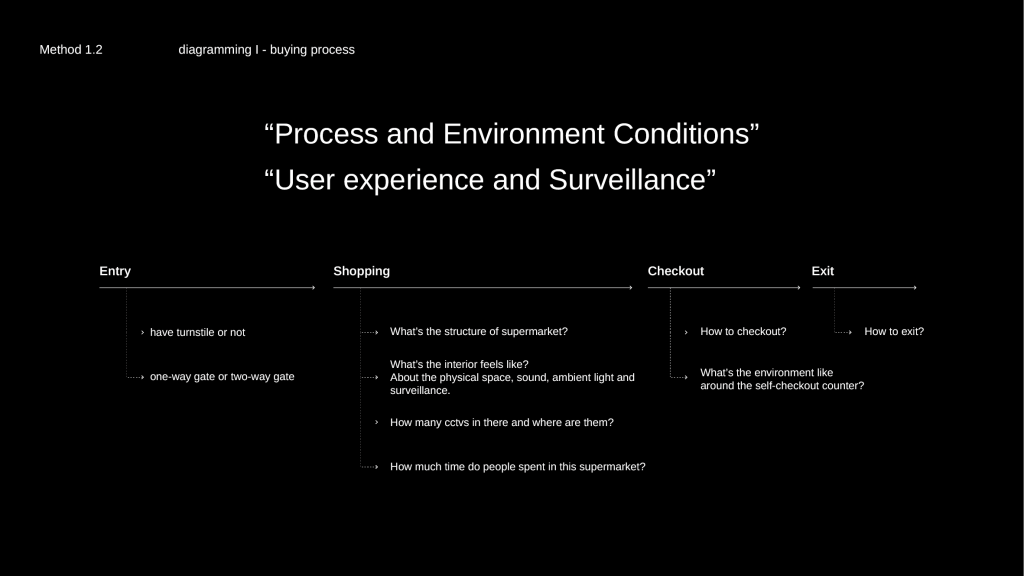
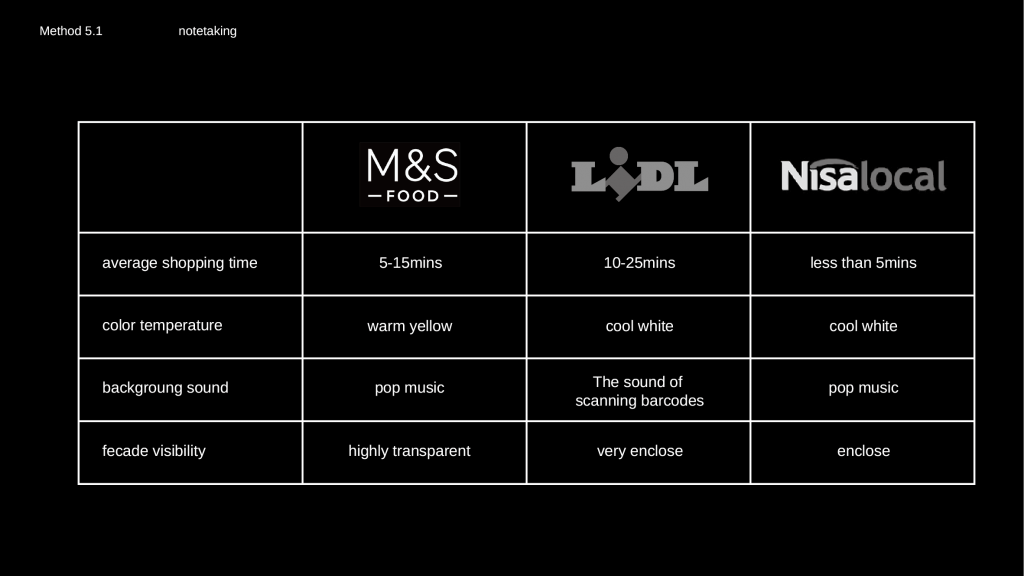
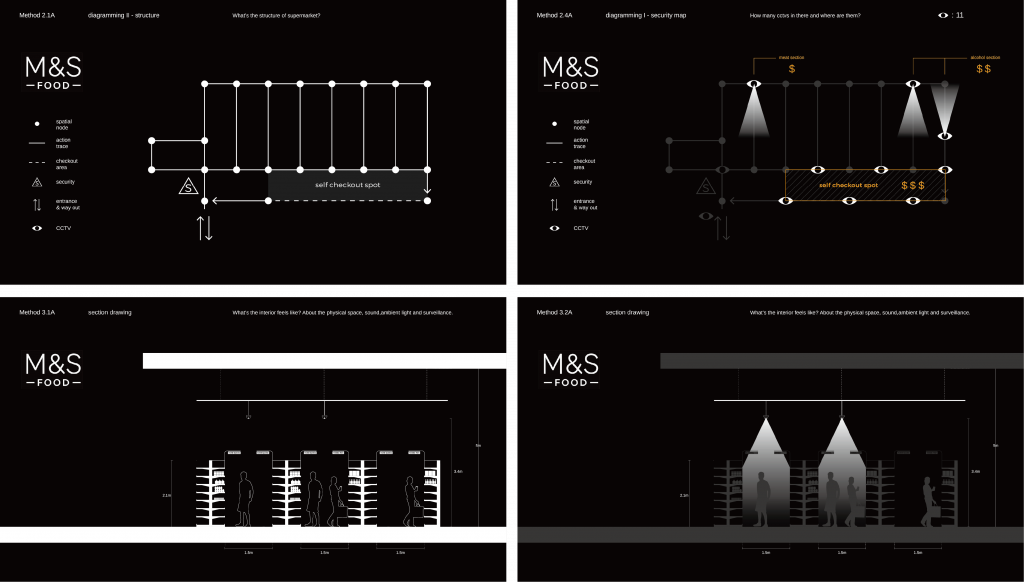
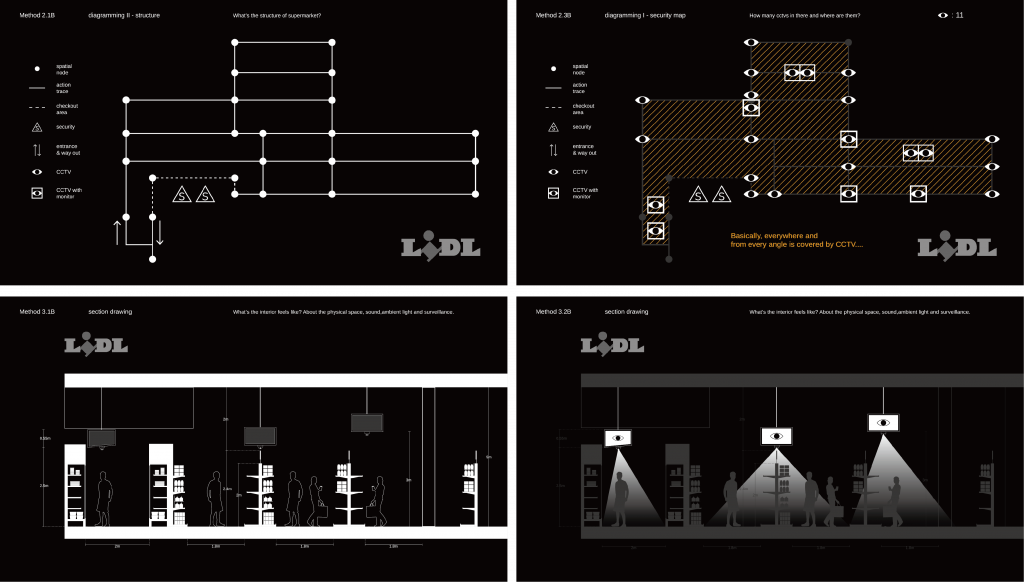
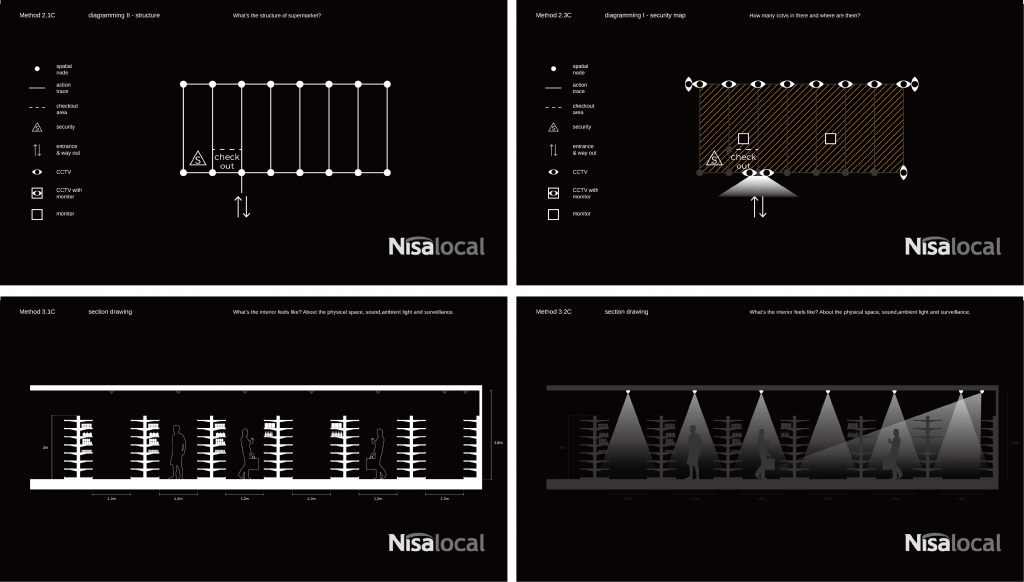
This week, I began to investigate various aspects of supermarkets, such as their surveillance systems, interior layouts, background sounds, and in-store music. The main aim of this stage is to explore how environmental conditions can intangibly influence customer behaviour.
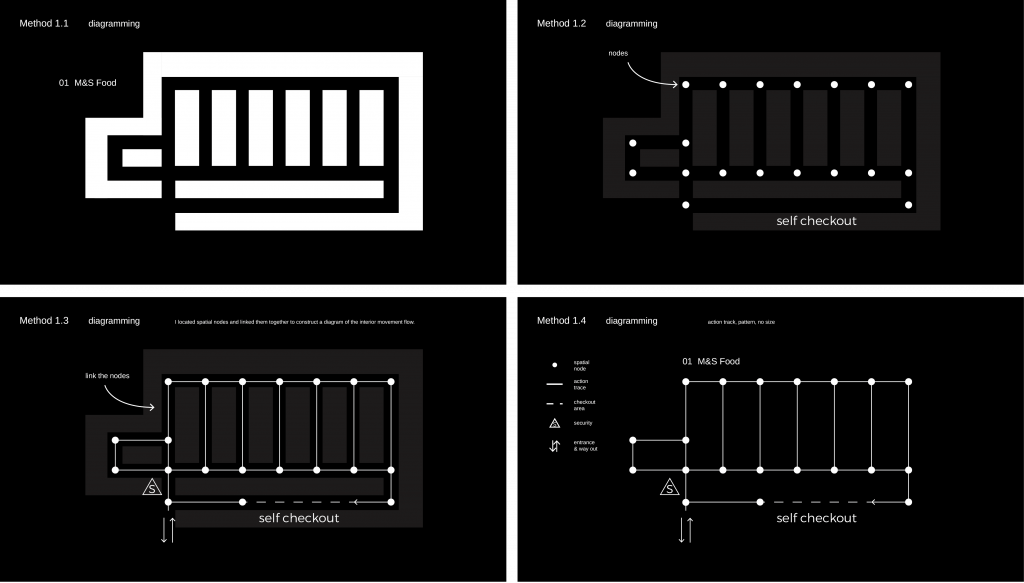
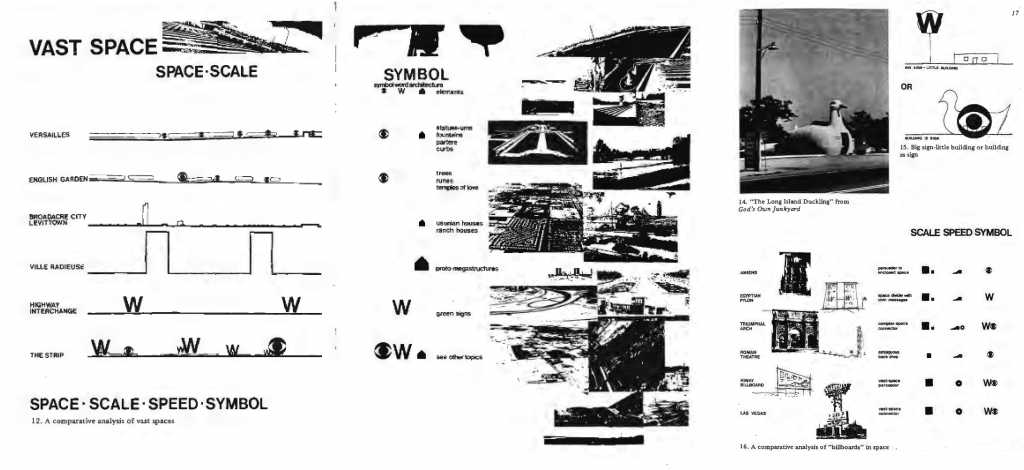
During this process, I also read Learning from Las Vegas, one of the references from the bibliography. The book discusses how physical environments—such as signboards and architectural styles—emerging from popular culture interact with the spatial context of Las Vegas, creating a distinctive and symbolic urban landscape. In this study, the authors used section drawings and symbols to analyze the relationship between cars and signboards, and this method inspired me to apply similar techniques—using symbols and sectional analysis—to investigate the interior of supermarkets.
Site select
In the beginning, I considered three different site options, all mainly located along Stroud Green Road and in the area near my accommodation in Finsbury Park.
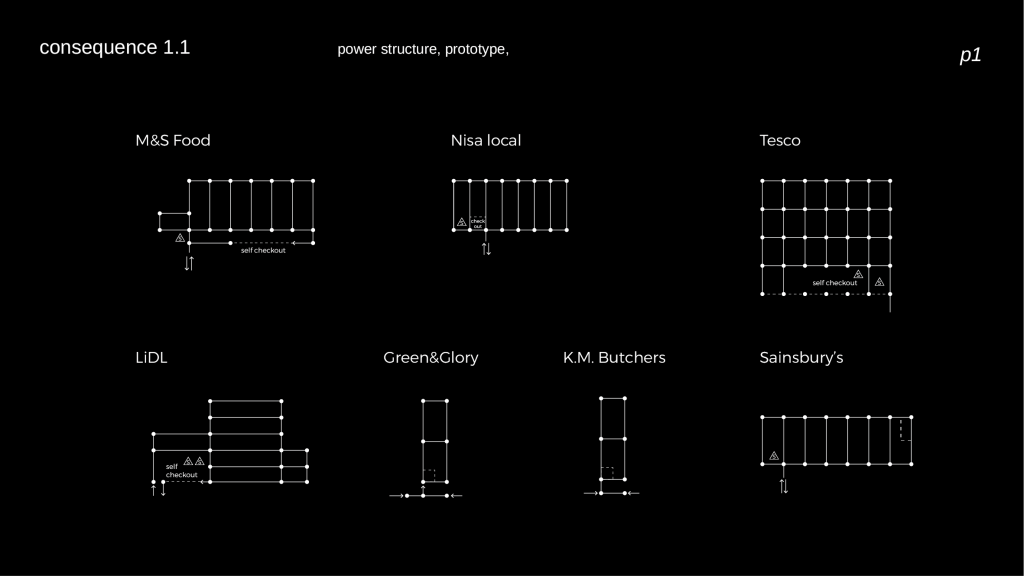
First, I selected several supermarkets on the street — M&S Foodhall, Nisa Local, Lidl, and Sainsbury’s — as my primary focus.
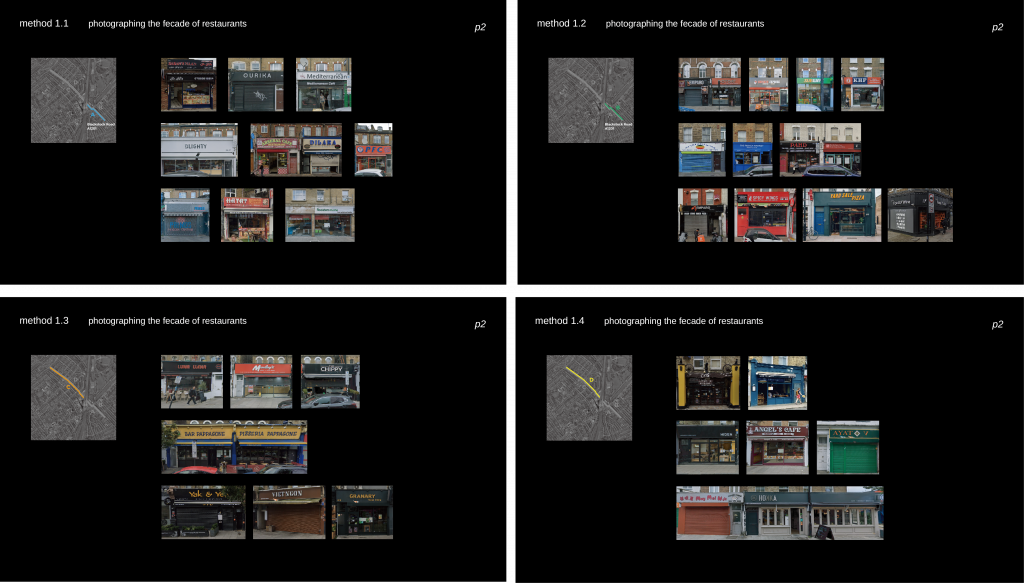
Second, I noticed that there are many restaurants representing diverse cultural backgrounds, and I chose their signboards as another subject of investigation.
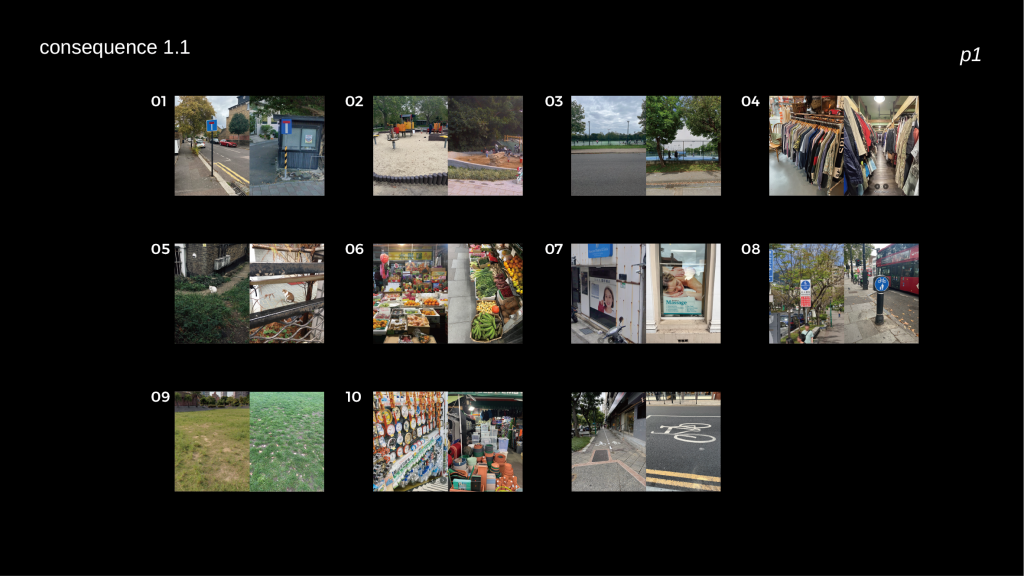
Finally, I randomly photographed scenes around the Finsbury Park neighborhood to capture its everyday atmosphere.

Three Methods
i. Mapping
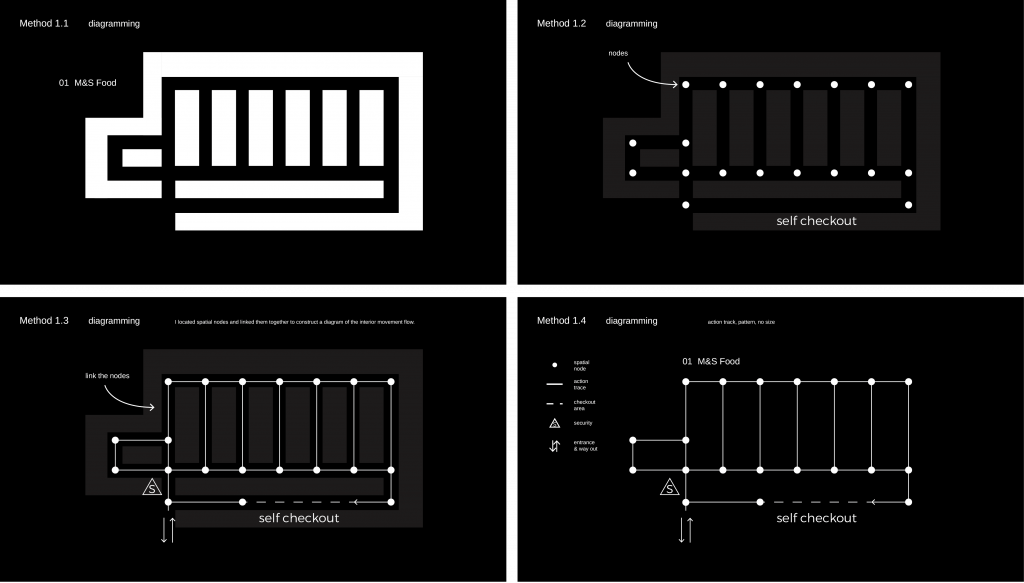
I investigated the interior layouts of the selected supermarkets and created maps to represent their spatial structures and circulation networks.
ii. Cataloging
Using my phone and Google Maps, I collected images of restaurant signboards and then organized them into a catalog for further analysis.
iii. Photographing
I searched for visual similarities between places in London and my home city, Taipei. By walking around the streets and photographing familiar scenes or objects, I attempted to explore the connection between the two environments.