The Final Outcome
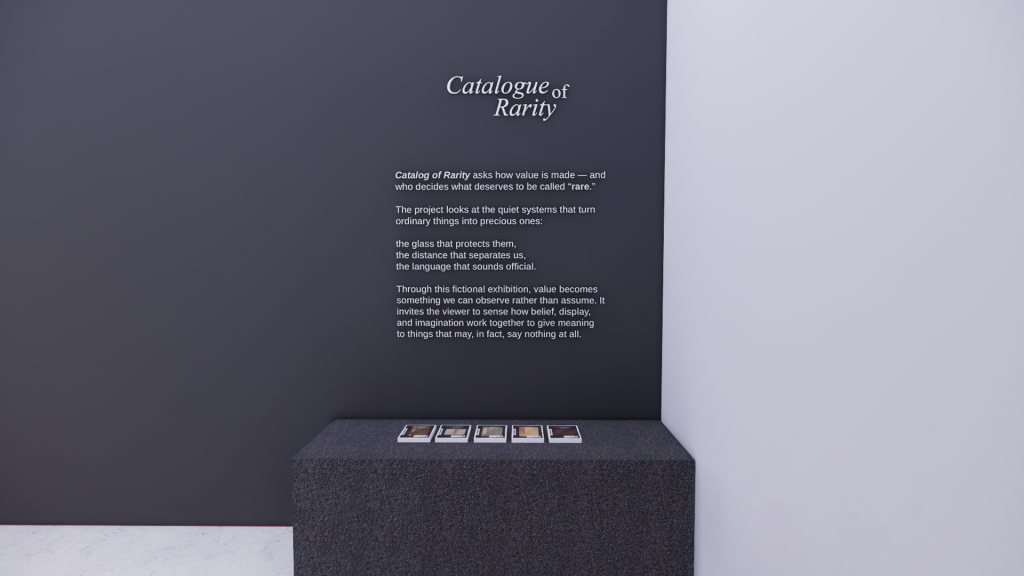
This project is a fictional exhibition, made for the Method of Cataloging unit.
This exhibition explores how value is created —not only what makes something valuable, but how design, distance, and presentation can build the idea of value.
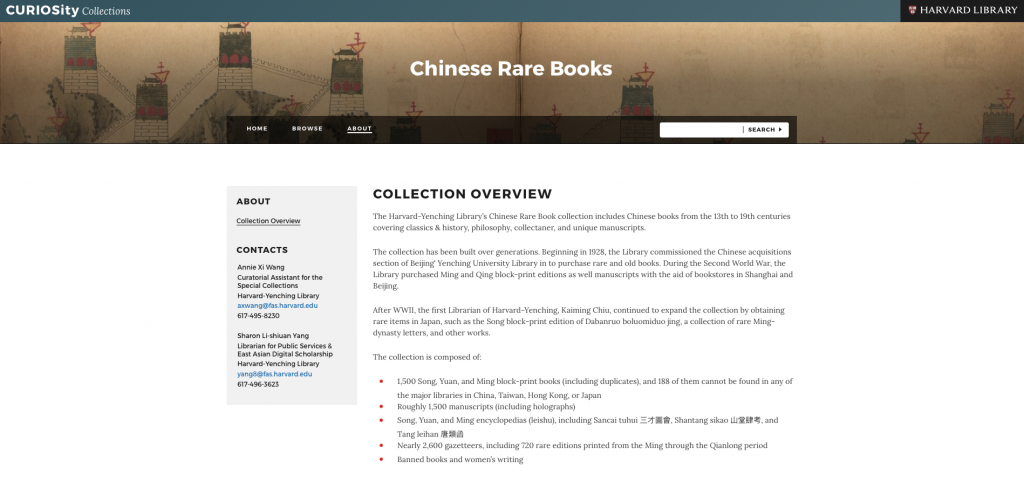
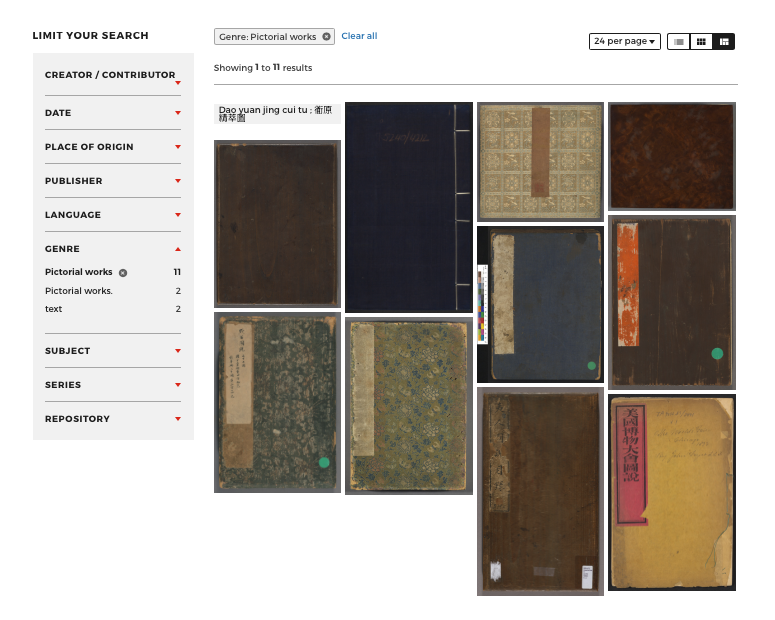
For this fictional exhibition, I chose ten books from the Chinese Rare Books collection. I picked this collection because the word “Rare” is interesting to me, it already suggests something special and valuable, and that fits my main question:
What makes something rare, and who decides that?
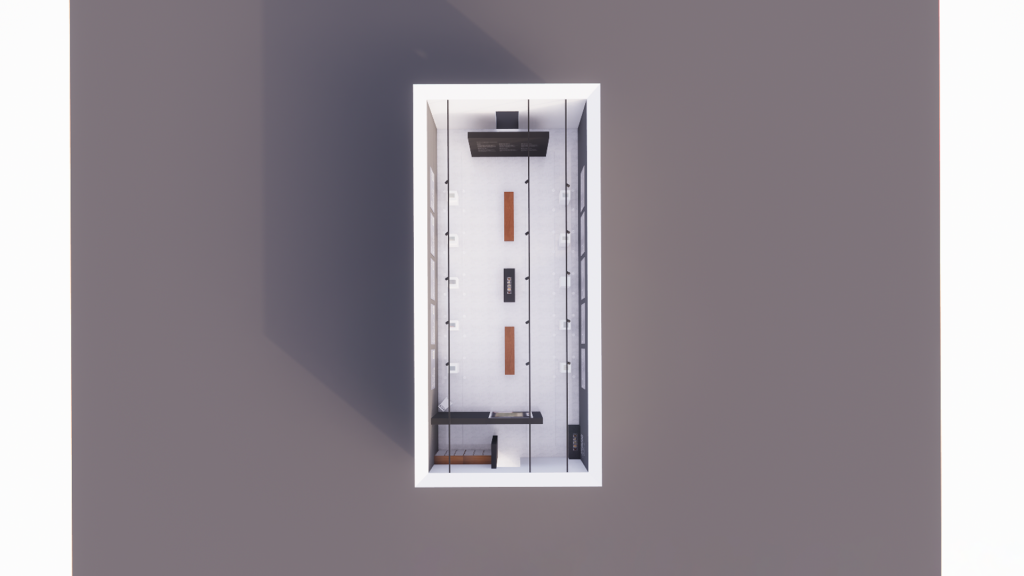
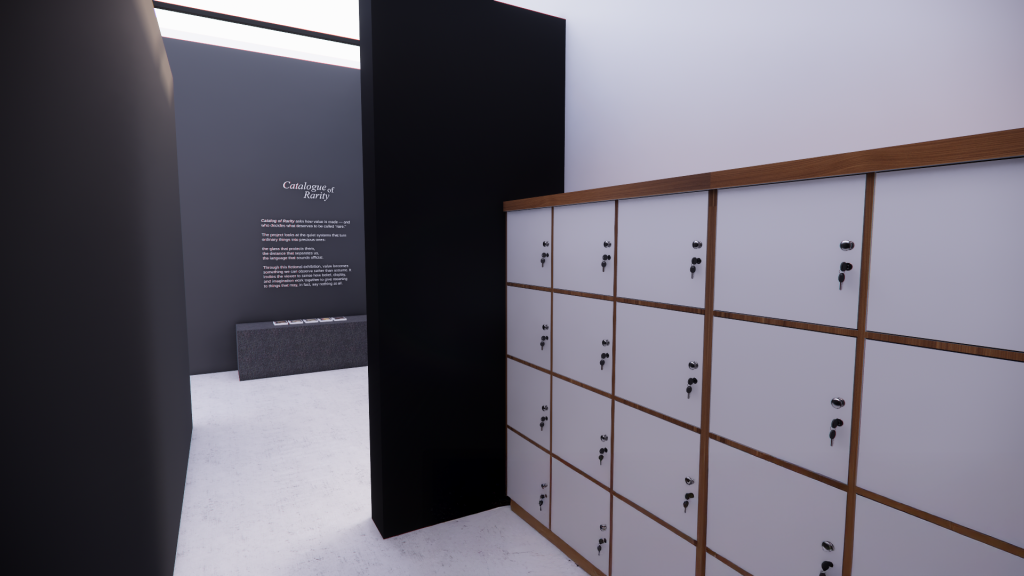
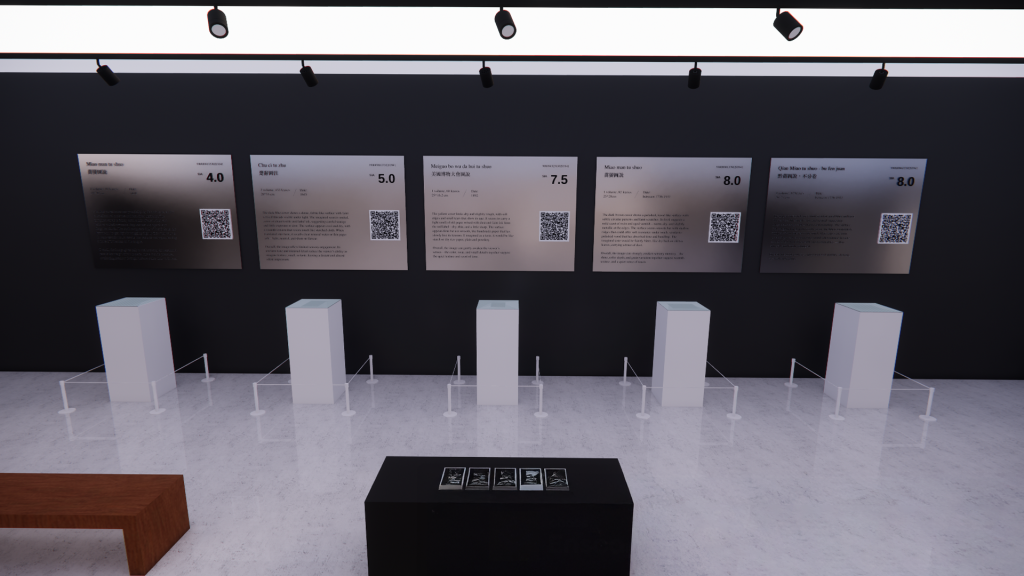
The space I designed is very clean and simple. Each book stands alone on a plinth, covered by a glass case and surrounded by a barrier. Visitors can only look at the books — they can’t touch, smell, or open them.
This distance is important. It shows how value and authority are often created through separation.
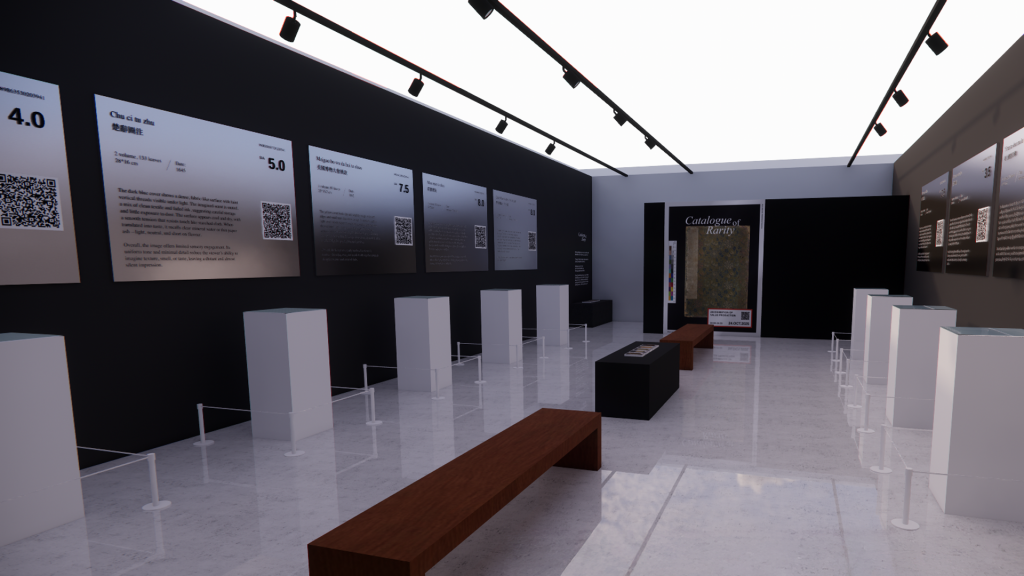
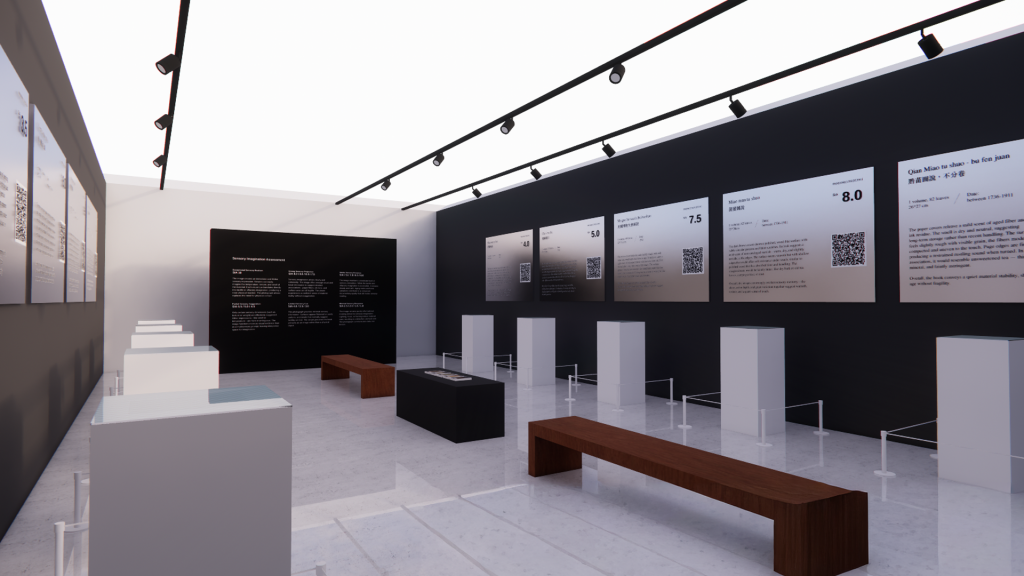
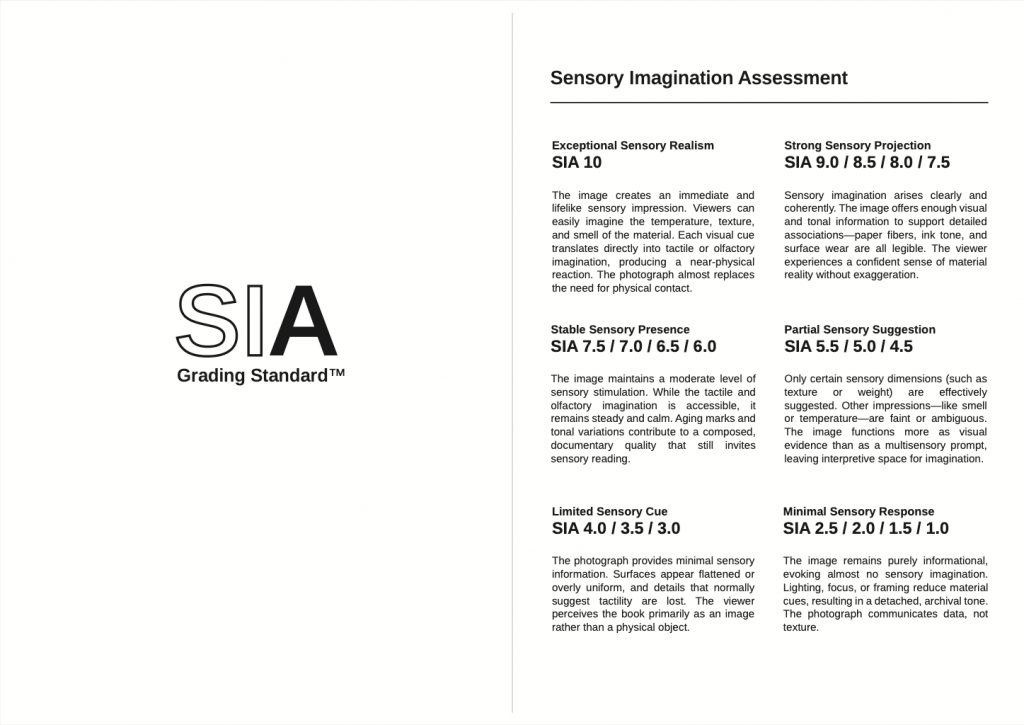
Next to each book, I designed a fictional grading system
based on real systems used for rare books or trading cards.
The grades rate three imagined senses — touch, smell, and taste. But since people cannot experience these senses, the grading becomes meaningless and funny, yet it still looks serious and professional.
This part shows that so-called “objective” systems can also be based on imagination or belief.

In this exhibition, the content of the books is missing. Viewers don’t know what the books say, but they still feel that the books are “important.”
This shows that value often comes from the context — from how things are displayed, described, or protected — not from the object’s actual content.
Each book also has a QR code linking to its real record in the Harvard Library. This mix of real and fictional elements helps question what “authentic” really means.
Online 3D exhibition space
Intro video
Exhibition Guidebook
Leave a Reply