How to Hack
I reposition Cavalry from a tool for generating visual or motion effects into a system for setting and testing typographic conditions.
In this context, the image no longer functions as content, but as a source of conditions.
Data Source and Sampling Strategy
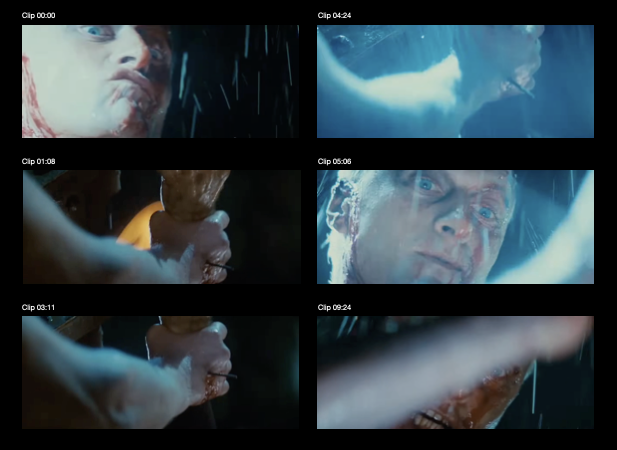
I choose a 5-second segment of film footage. and using it as a time-based data source. The narrative content is ignored; only numerical value changes are considered. In addition, sampling is taken at different time points within the clip.
The structure of generating design
Layer 1: Baseline (unconditioned plane) (Control Variables)
Layer 2: isolation (Single-condition intervention, 5–6 pieces per group)
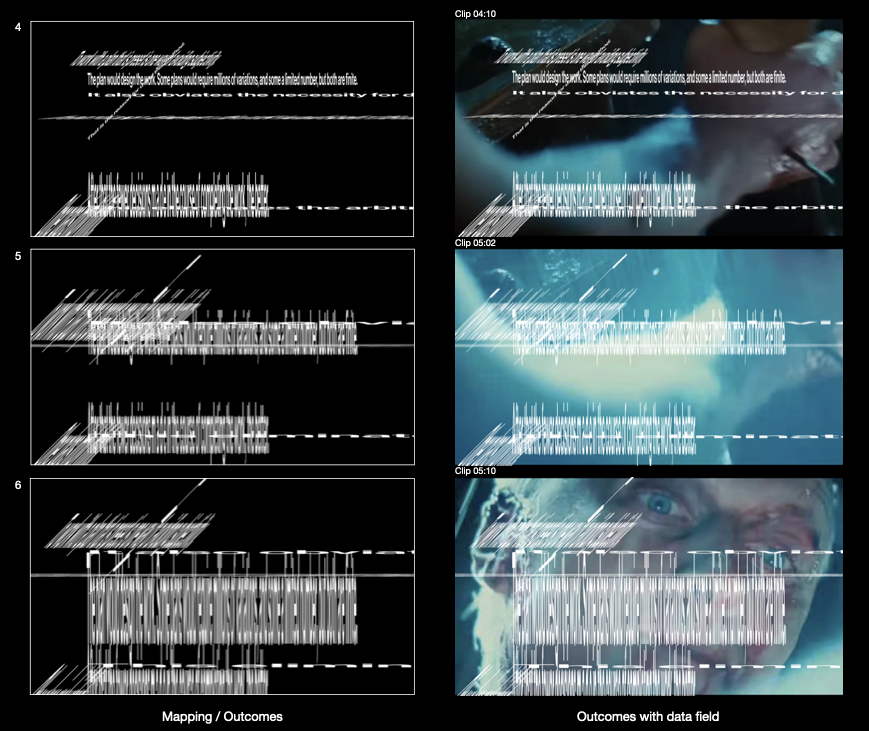
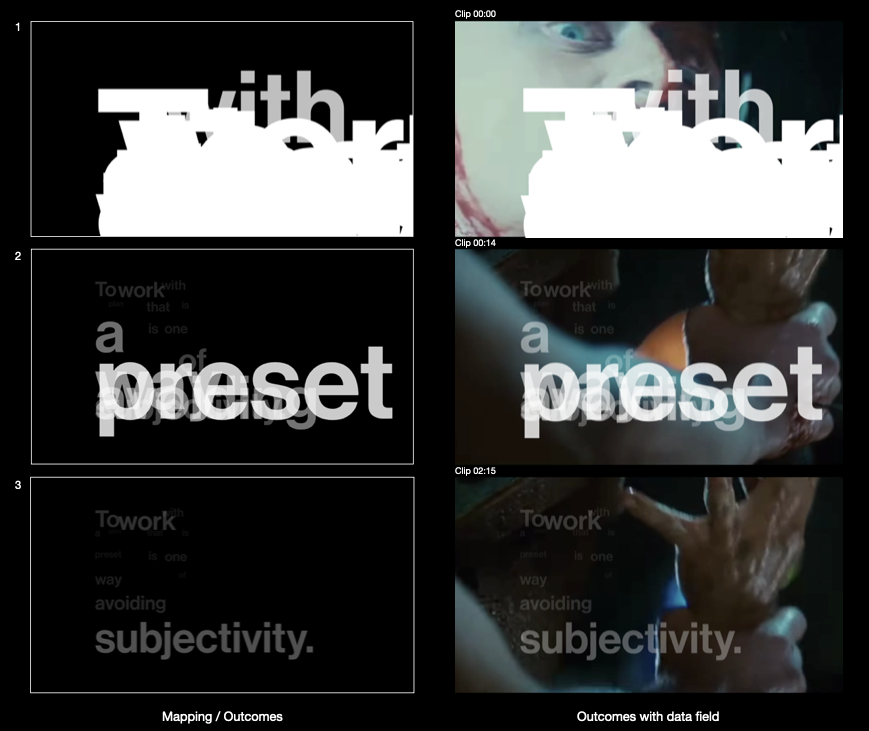
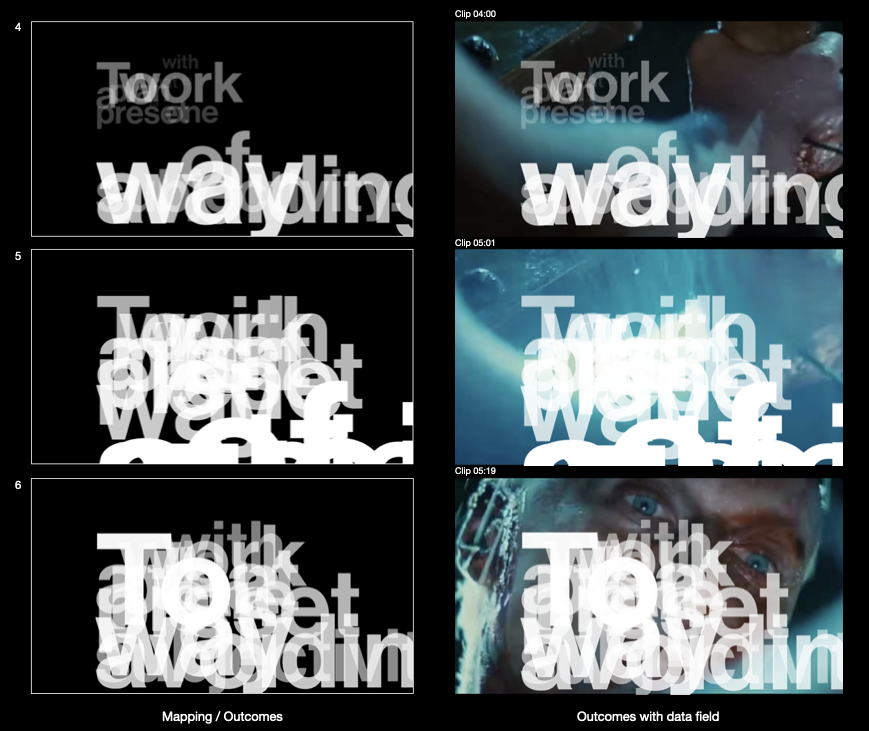
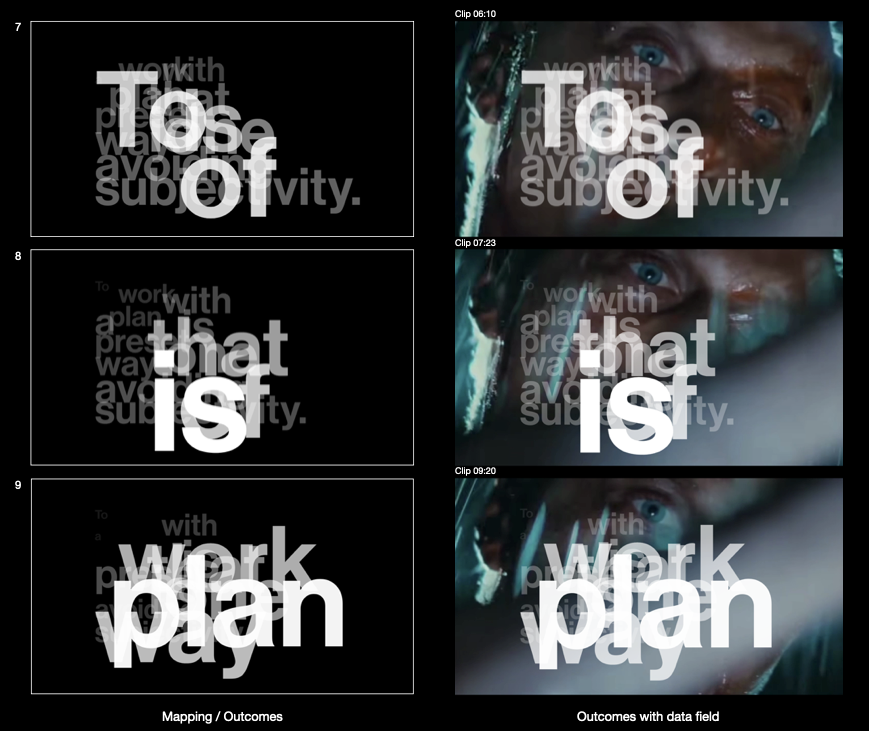
Layer 3: Compound (Condition stacking, 6-9 pieces per group)
Layer 1: Baseline
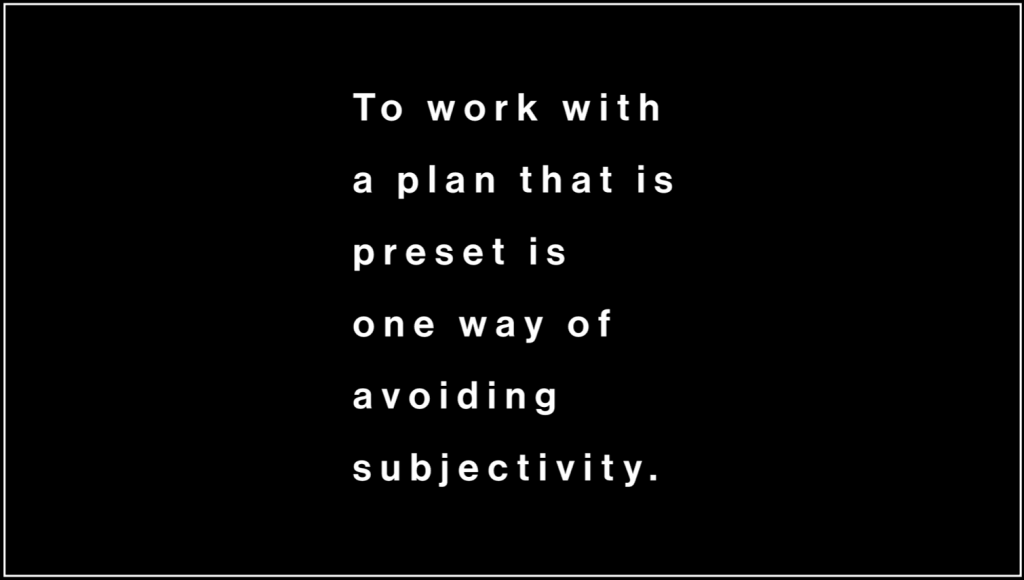
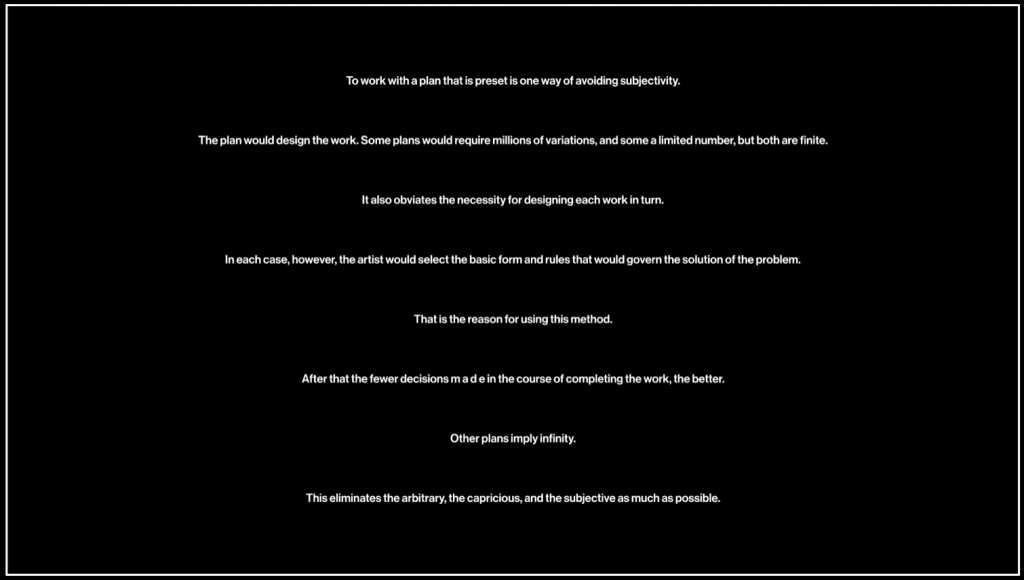
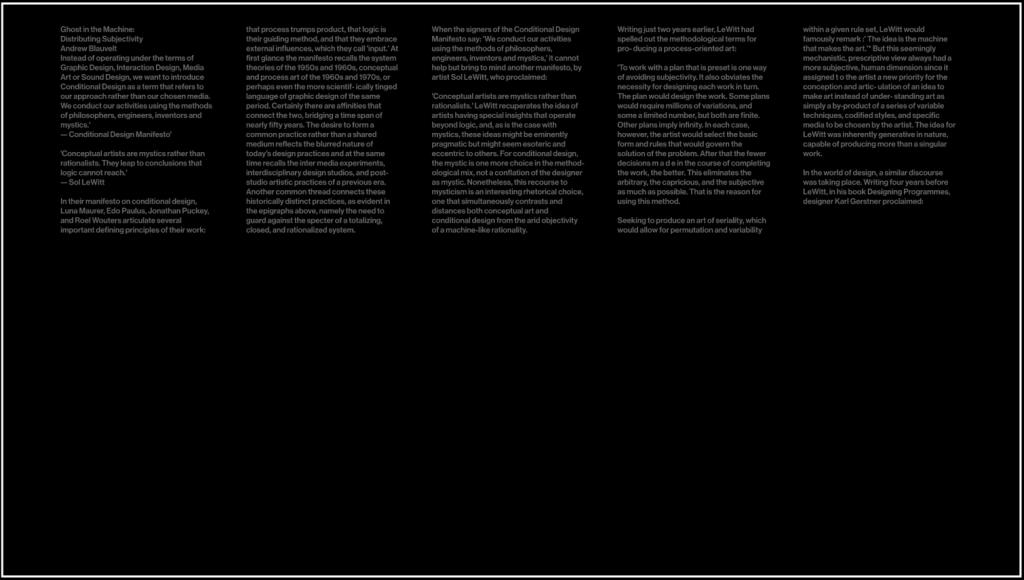
These layouts align with three different variations.
Layer 2: isolation (Single-condition intervention, 5–6 pieces per group)
Rotation
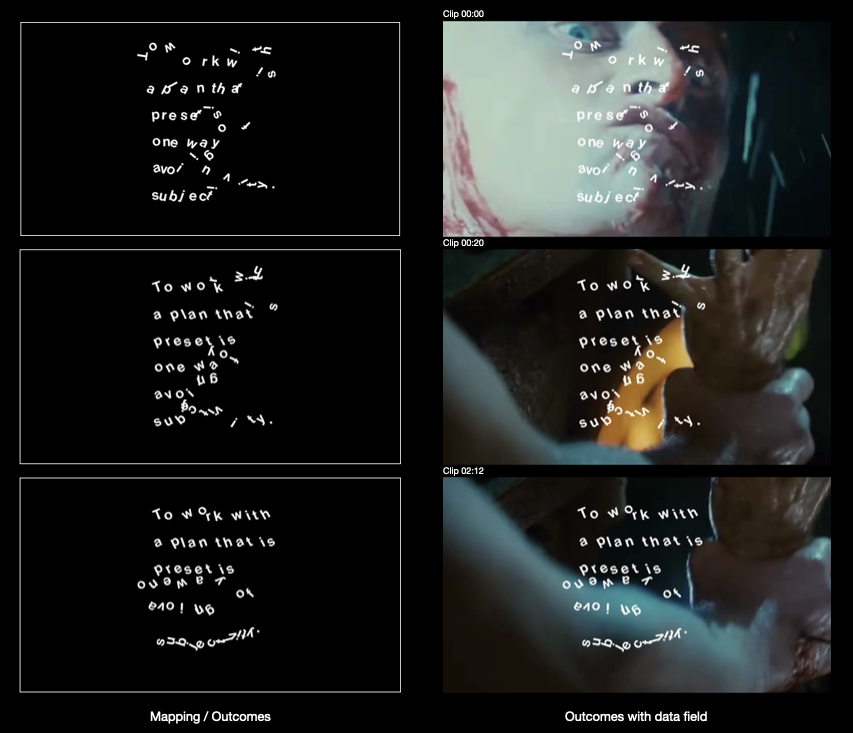
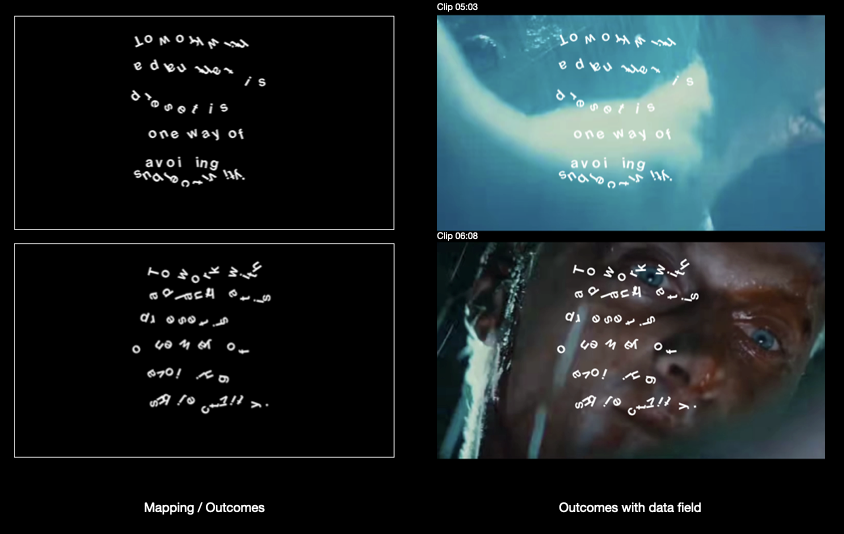
Skew
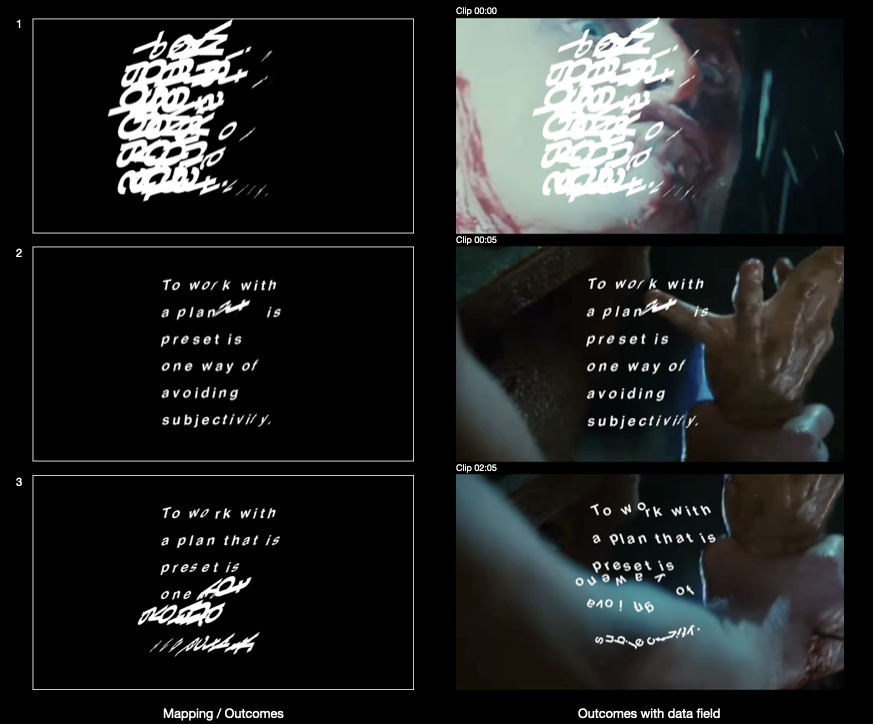
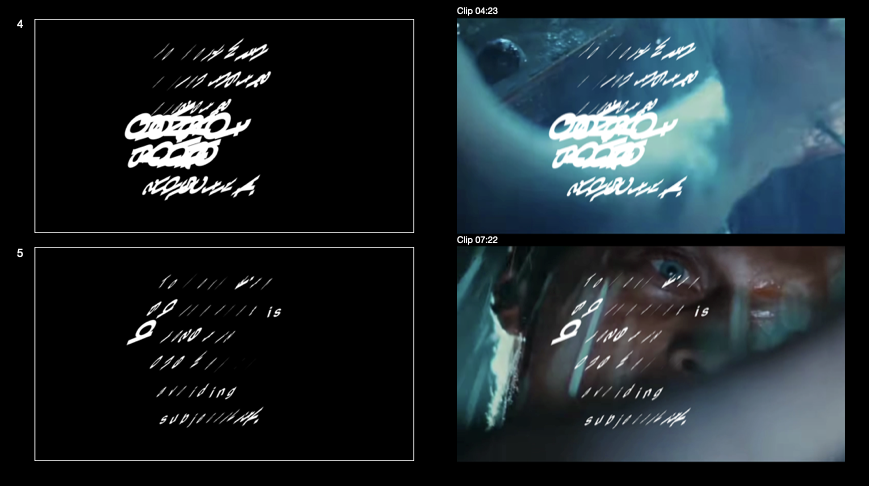
Character spacing
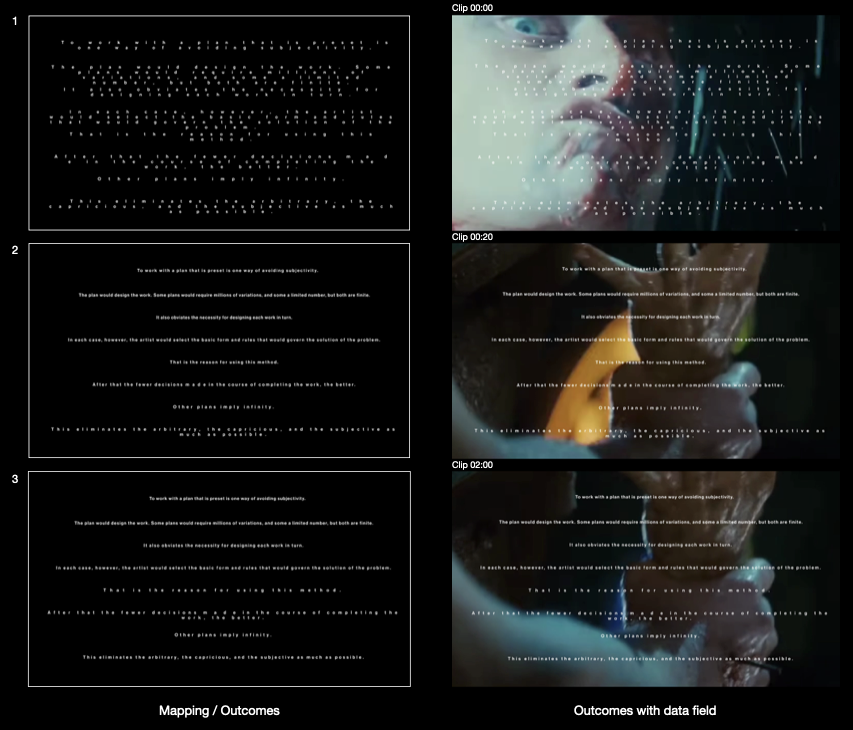
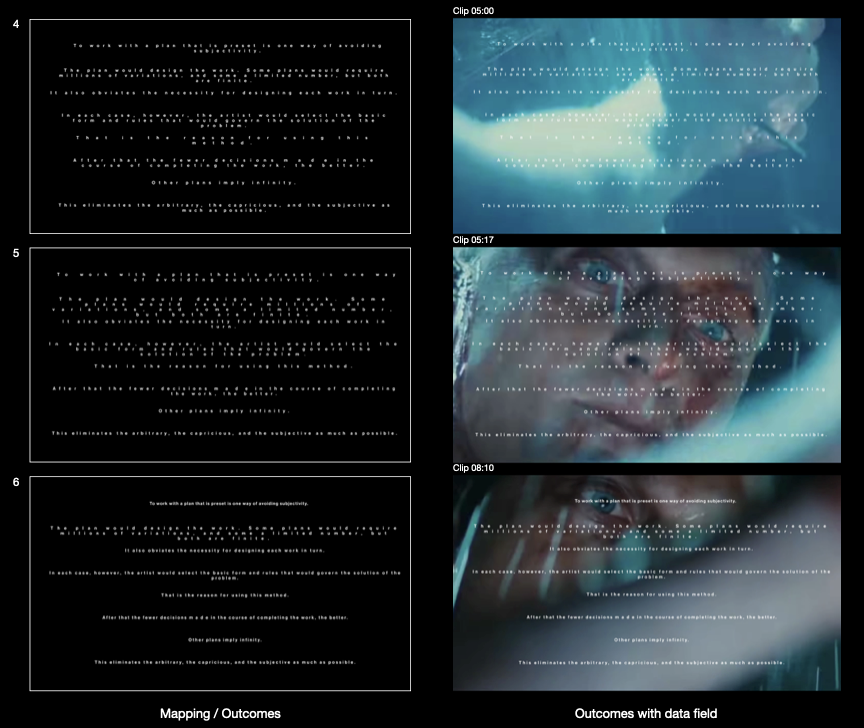
Text box size
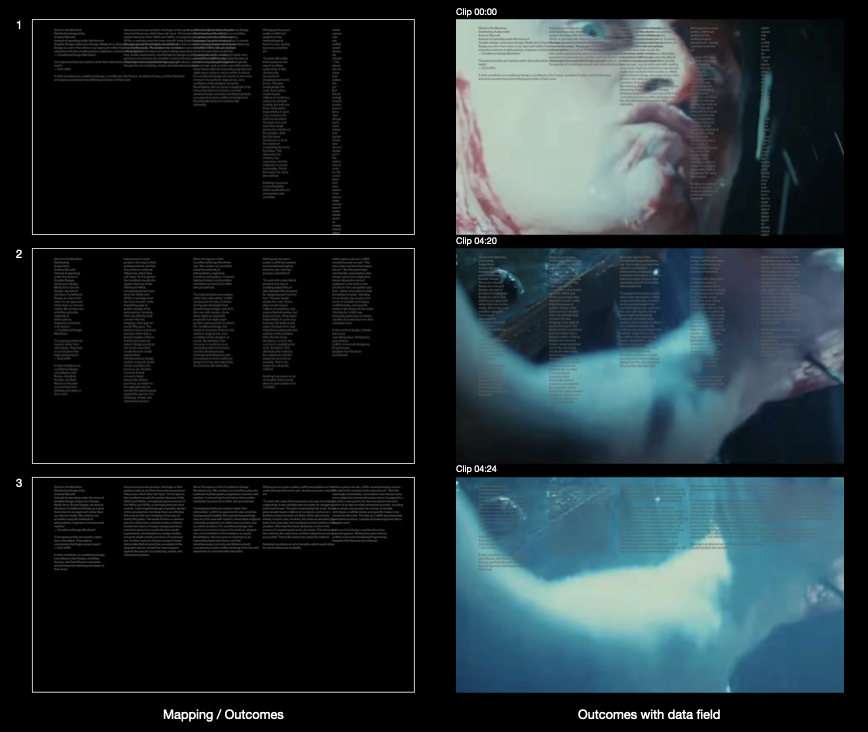
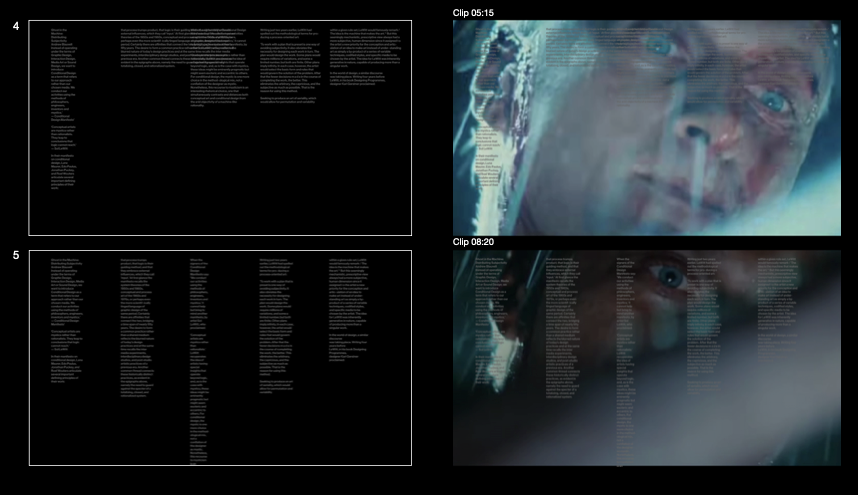
Word spacing
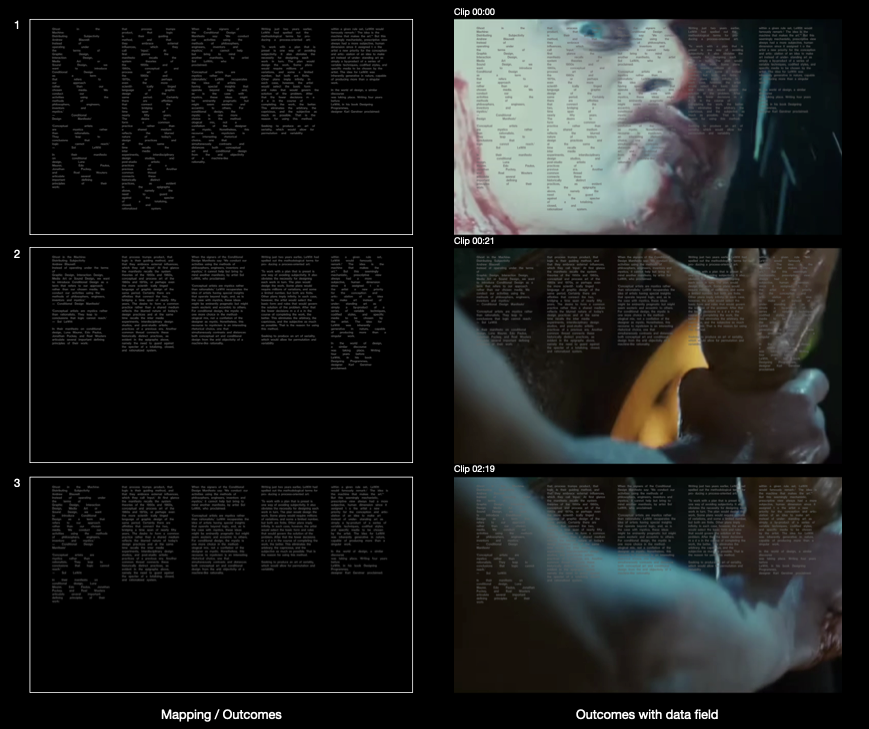
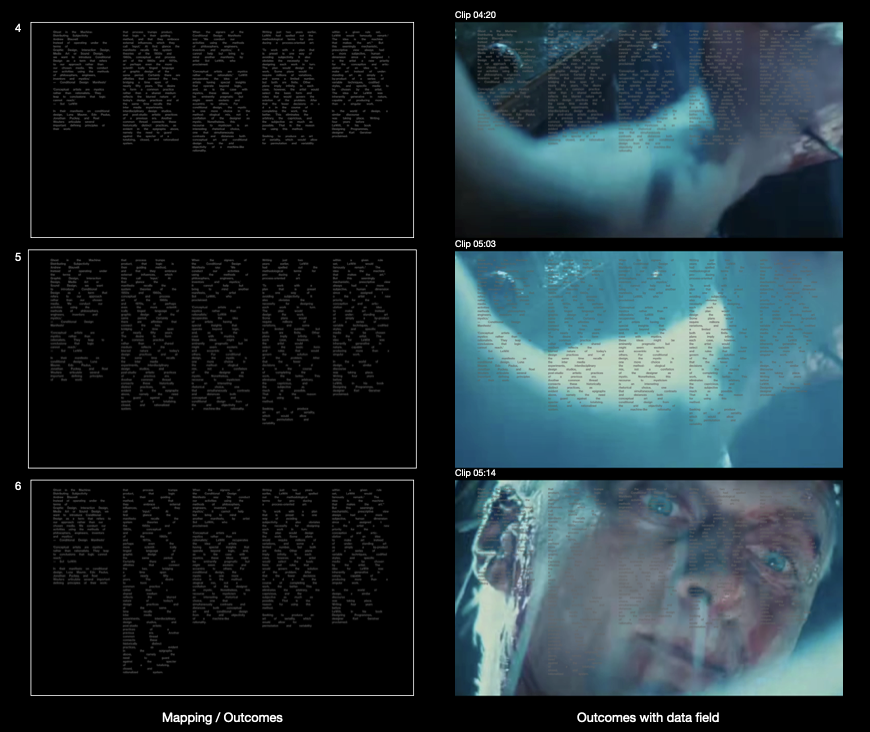
Layer 3: Compound (Condition stacking, 6-9 pieces per group)
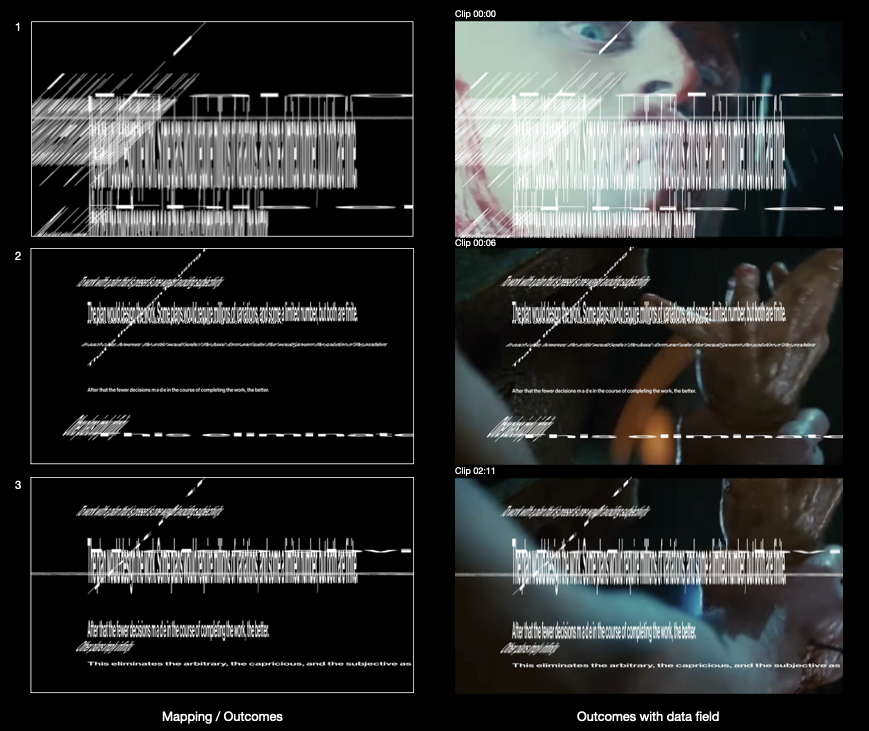
In this layer, I used multiple variations as conditions.
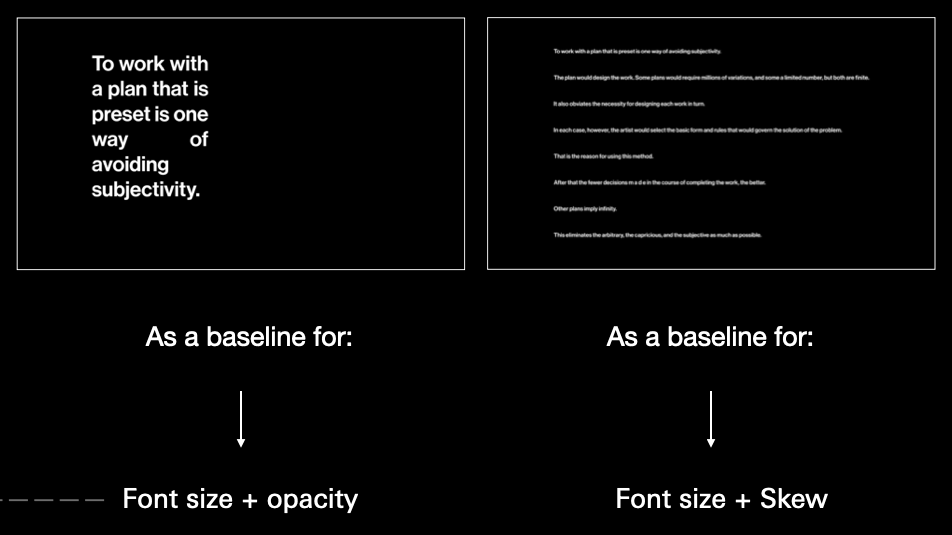
Font size + skew
2. Font size + opacity
Knowledge Generated Through Iteration
1. I came to understand that the page itself is not neutral, but a conditioned structure.
2. What we usually perceive as a blank page is simply a condition that has been naturalized and hidden—a state in which parameters are present, but effectively set to zero.
3. When conditions can be explicitly set and adjusted, the role of the designer shifts from executing forms to defining and modulating conditions.
Leave a Reply